animal
Ultimate Harness Buying Guide: How to Choose the Right Harness for Every Need

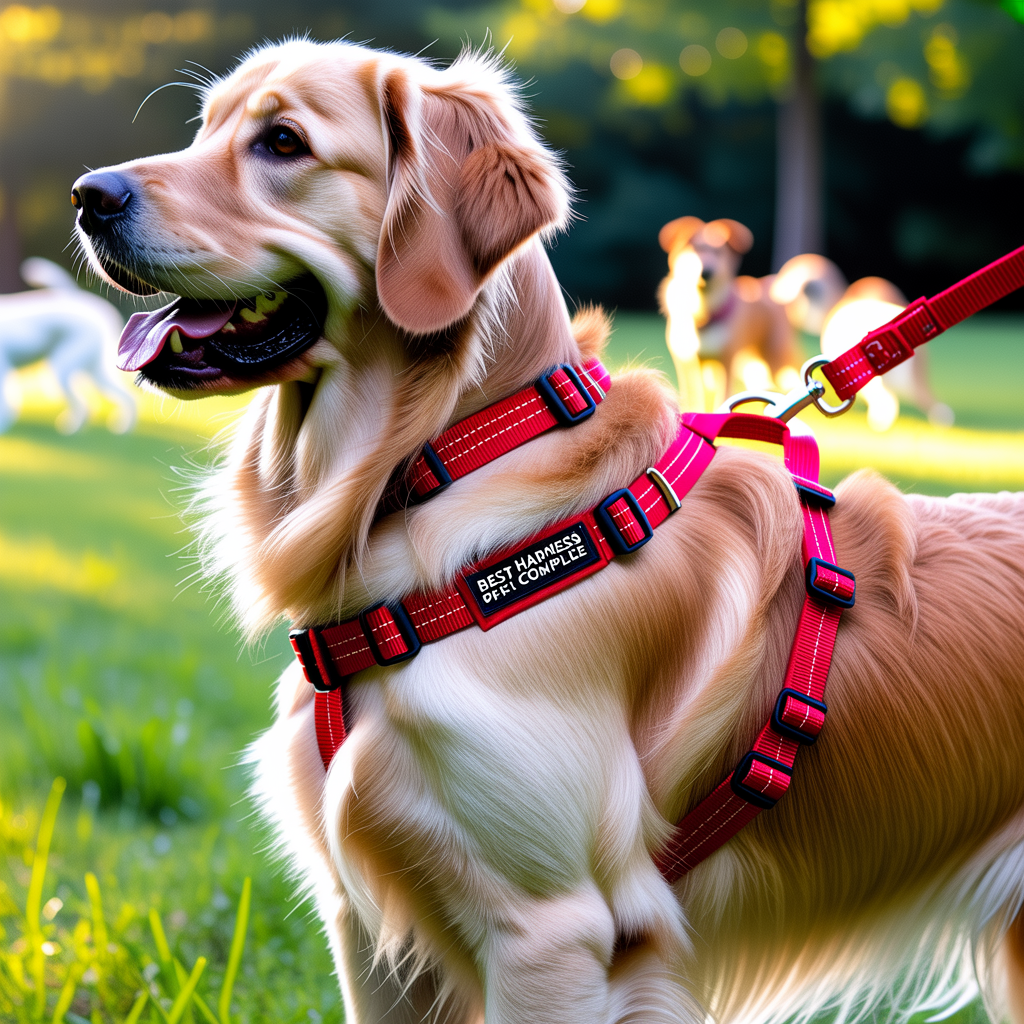

Buying a harness may seem simple at first, but choosing the right one requires careful consideration of several important factors. Whether you need a harness for work safety, outdoor adventures, climbing, pets, or other specialized activities, the right choice can significantly improve comfort, performance, and safety. A well-designed harness distributes weight evenly, minimizes pressure points, and provides secure support during use. On the other hand, selecting the wrong harness can lead to discomfort, reduced mobility, faster wear, and even serious safety risks depending on its intended purpose.
This comprehensive Harness Buying Guide explains everything you need to know before purchasing a harness. From understanding different harness types and materials to choosing the correct size, adjusting the fit, and evaluating safety features, this guide will help you make a confident buying decision. Whether you are purchasing your first harness or replacing an older one, the information below will help you invest in a product that offers excellent value, reliability, and long-term performance.
What Is a Harness?
A harness is a support system designed to distribute force across stronger parts of the body while providing stability, comfort, and security. Harnesses are used in many situations, including construction, industrial work, rock climbing, hiking, rescue operations, pet walking, and other outdoor activities. Although designs vary based on their intended purpose, all quality harnesses are built to provide a secure fit without restricting natural movement. Modern harnesses combine durable materials, ergonomic padding, adjustable straps, and reinforced stitching to improve both comfort and safety.
Why Choosing the Right Harness Matters
Choosing the right harness is more important than many buyers realize because it directly affects both safety and comfort. A properly fitted harness reduces pressure on specific areas of the body while allowing full freedom of movement. It also minimizes fatigue during extended use and provides better support during demanding activities. A poorly designed or incorrectly sized harness can shift unexpectedly, cause discomfort, reduce efficiency, and compromise protection. Investing in a high-quality harness helps ensure long-term durability, dependable performance, and greater confidence every time you use it.
Different Types of Harnesses
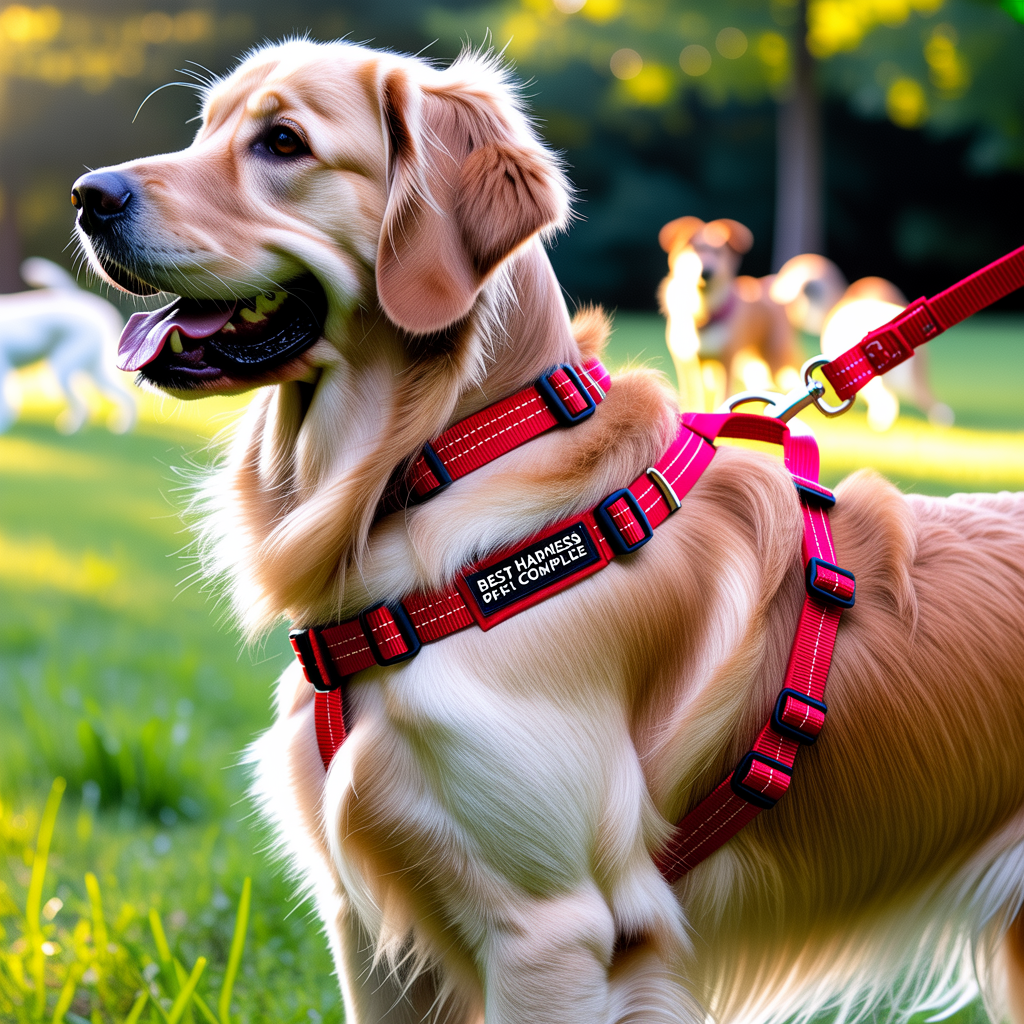
There are many harness designs available, each created for specific applications. Full-body harnesses are widely used in industrial environments because they distribute impact forces across the shoulders, chest, waist, and legs, making them ideal for fall protection. Climbing harnesses prioritize mobility while maintaining excellent support and typically include gear loops for carrying equipment. Hiking harnesses focus on lightweight comfort and flexibility, making them suitable for long outdoor adventures. Pet harnesses are designed to improve control while reducing strain on an animal’s neck compared with traditional collars. Understanding the purpose of each type is the first step toward choosing the best harness for your needs.
Harness Materials
The materials used in a harness play a major role in its durability, comfort, and overall performance. High-strength nylon is one of the most common materials because it offers exceptional durability and resistance to wear. Polyester is valued for its resistance to UV rays and moisture, making it a strong choice for outdoor environments. Many premium harnesses also feature breathable mesh, moisture-wicking fabrics, reinforced stitching, corrosion-resistant metal hardware, and high-density foam padding. These features improve comfort during extended wear while extending the product’s lifespan.
How to Choose the Correct Harness Size
Finding the right size is essential for both safety and comfort. Every manufacturer provides a sizing chart based on body measurements, so measuring accurately before purchasing is highly recommended. A harness should fit snugly without being overly tight or restricting movement. Adjustable shoulder, chest, and leg straps allow users to fine-tune the fit for maximum comfort. Buyers should avoid selecting a larger size simply for additional room because excessive movement can reduce stability and compromise performance.
Features to Look for in the Best Harness
When comparing different harnesses, several features deserve close attention. Adjustable straps provide a customized fit, while breathable padding reduces discomfort during prolonged use. Reinforced stitching increases durability, and corrosion-resistant buckles improve long-term reliability. Lightweight construction minimizes fatigue without sacrificing strength. Some harnesses include reflective elements for better visibility in low-light conditions, while others offer quick-release buckles for easier removal. Selecting a harness with these practical features often results in better overall performance and greater user satisfaction.
Safety Considerations
Safety should always be the highest priority when purchasing any harness. Buyers should inspect load ratings, certification standards, hardware quality, and stitching before making a purchase. Regular inspections are equally important because worn straps, damaged buckles, or loose stitching can reduce the harness’s effectiveness. Following manufacturer instructions for adjustment, maintenance, and storage helps preserve safety and extends the product’s usable life. Choosing reputable brands with established quality standards further reduces the risk of equipment failure.
Harness Maintenance Tips
Proper maintenance significantly extends the life of a harness. Cleaning should be performed according to the manufacturer’s recommendations using mild soap and water whenever necessary. Harsh chemicals and bleach should be avoided because they may weaken fibers over time. After cleaning, the harness should be allowed to air dry completely before storage. It should always be stored in a cool, dry location away from direct sunlight, excessive heat, and moisture. Routine inspections before each use help identify wear or damage before it becomes a safety concern.
Common Mistakes Buyers Make
Many buyers focus only on price instead of overall quality and intended use. Others fail to measure properly, resulting in poor fit and reduced comfort. Ignoring safety certifications, overlooking adjustment features, and purchasing without understanding the specific application are additional mistakes that can lead to disappointment. Taking time to compare features, materials, sizing, and customer reviews helps avoid these common problems and leads to a better purchasing decision.
Conclusion
Choosing the right harness requires more than simply selecting the first product that looks appealing. Understanding the intended application, evaluating materials, checking safety certifications, selecting the proper size, and comparing comfort features all contribute to making an informed purchase. A high-quality harness provides dependable performance, long-lasting durability, and enhanced safety while improving the overall user experience. By following this comprehensive Harness Buying Guide, you can confidently choose a harness that matches your needs and offers excellent value for years to come.
Frequently Asked Questions (FAQ)
1. What is the most important factor when buying a harness?
The most important factor is choosing a harness designed for your intended activity while ensuring it fits correctly and meets relevant safety standards.
2. How do I know if my harness fits properly?
A properly fitted harness should feel secure without restricting movement. It should remain in place during activity, and the adjustable straps should allow a snug but comfortable fit.
3. Which material is best for a harness?
Nylon and polyester are among the most popular materials because they provide excellent durability, strength, and resistance to wear and environmental conditions.
4. How often should a harness be replaced?
Replacement depends on frequency of use, environmental exposure, and signs of wear. Always replace a harness immediately if it shows damage or no longer meets safety requirements.
5. Are expensive harnesses worth the investment?
Higher-quality harnesses often provide better materials, improved comfort, stronger construction, enhanced durability, and additional safety features, making them a worthwhile investment for regular use.
6. Can one harness be used for different activities?
Not always. Harnesses are designed for specific purposes, so it is best to choose one that matches the activity for which it will be used.
7. How should I maintain my harness?
Clean it according to the manufacturer’s instructions, inspect it regularly for wear or damage, and store it in a cool, dry place away from direct sunlight and harsh chemicals.
8. Is this harness buying guide suitable for beginners?
Yes. This guide is designed to help both beginners and experienced buyers understand the key factors involved in selecting the right harness.


 information2 months ago
Justin Billingsley Greene Law: Leadership, Legal Innovation, and Professional Excellence
- study2 months ago
çievri: The Complete Guide for Beginners and Professionals
- Sports2 months ago
Basketball Random.GitHub: The Ultimate Guide
- Tech2 months ago
Amber the Colour: Meaning, Symbolism, History, Psychology, and Modern Uses
- Entertainment2 months ago
Basket Random GitHub IO: The Complete Guide to Playing the Fun Physics Basketball Game
- Fashion2 months ago
Corduroy: The Complete Guide to History, Types, Uses, Benefits, Care, and Modern Fashion
- site kit2 months ago
Obituary Template: Complete Guide with Free Examples, Formats, and Writing Tips
- Tech2 months ago
Quantity Button HTML: Complete Guide with CSS and JavaScript