Fashion
Corduroy: The Complete Guide to History, Types, Uses, Benefits, Care, and Modern Fashion

Published
4 months agoon
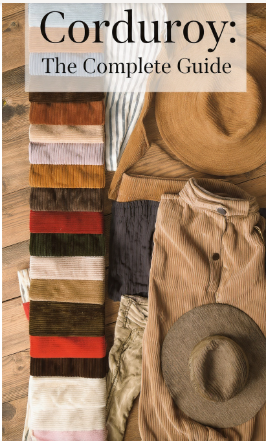
Table of Contents
Toggle
Corduroy is one of the most recognizable and enduring fabrics in the fashion and textile industry. Known for its distinctive vertical ridges, soft texture, and exceptional durability, corduroy has been a popular choice for clothing, upholstery, and accessories for generations. Originally valued for its strength and warmth, this versatile material has evolved into a fashionable fabric embraced by designers and consumers worldwide. Today, corduroy appears in everything from casual jackets and trousers to elegant home décor, proving that classic materials never go out of style.
Whether you’re shopping for your first corduroy jacket, curious about its fascinating history, or looking for expert tips on washing and maintaining corduroy garments, this comprehensive guide covers everything you need to know. You’ll learn about the different types of corduroy, its advantages and disadvantages, popular uses, care instructions, and why it continues to remain relevant in modern fashion.
What Is Corduroy?
Corduroy is a woven textile distinguished by raised parallel ridges called “wales.” These ridges are created through a specialized weaving process in which extra sets of fibers are woven into the fabric before being cut to produce soft, vertical ribs. The number of ridges per inch determines the type of corduroy, with finer wales producing a smoother appearance and wider wales creating a bolder texture.
Most corduroy fabrics are made from cotton, although modern manufacturers often blend cotton with polyester, elastane, or other synthetic fibers to improve flexibility, wrinkle resistance, and durability. The fabric is prized for its warmth, softness, and rugged appearance, making it suitable for both cold-weather clothing and stylish interior furnishings.
1.THE History of Corduroy
Corduroy’s origins date back several centuries, although its modern form became popular during the Industrial Revolution. Early versions of ribbed fabrics were produced in Europe, but corduroy gained widespread recognition in England as durable workwear. Farmers, laborers, and outdoor workers appreciated the fabric’s strength and insulating properties.
During the twentieth century, corduroy expanded beyond practical clothing and entered mainstream fashion. It became especially popular during the 1970s when colorful corduroy jackets, pants, and skirts dominated fashion trends. Today, luxury fashion brands and everyday clothing manufacturers alike continue to embrace corduroy for its vintage appeal and timeless elegance.
Benefits of Corduroy
Corduroy offers numerous advantages that contribute to its lasting popularity. Its thick construction provides excellent insulation during colder months while maintaining breathability for everyday comfort. The fabric is highly durable and resists wear better than many lightweight textiles, making it ideal for garments that receive frequent use.
Another major benefit is its unique texture, which adds visual depth and sophistication to clothing and home furnishings. Corduroy also comes in a wide variety of colors, allowing designers to create both classic and contemporary styles. Because of its durability, properly maintained corduroy garments can last for many years without losing their attractive appearance.
Common Uses of Corduroy
Corduroy is an incredibly versatile fabric used across multiple industries. Fashion designers frequently incorporate corduroy into jackets, trousers, skirts, dresses, shirts, suits, hats, and handbags. Its warm texture makes it especially popular during autumn and winter collections.
Beyond fashion, corduroy is widely used in furniture upholstery, decorative cushions, curtains, and other home décor items. The fabric’s durability and soft finish provide both comfort and long-lasting performance, making it a practical choice for interiors.
How to Style Corduroy
Corduroy works well with both casual and formal outfits. A corduroy jacket paired with jeans creates a relaxed yet refined appearance suitable for everyday wear. Corduroy trousers combine beautifully with knit sweaters, leather boots, or tailored shirts for a polished autumn outfit.
For women, corduroy skirts and dresses can be styled with ankle boots, scarves, and fitted coats to achieve a sophisticated seasonal look. Mixing corduroy with cotton, wool, denim, or leather adds visual contrast while maintaining a balanced outfit. Neutral colors such as brown, olive, navy, beige, and black remain timeless choices, while brighter shades can create bold fashion statements.
How to Care for Corduroy
Proper care helps preserve the appearance and longevity of corduroy garments. Always read the care label before washing. Turn garments inside out to protect the raised ridges from excessive friction during laundering. Washing with cold or lukewarm water on a gentle cycle minimizes shrinkage and color fading.
Avoid overloading the washing machine, as excessive rubbing can flatten the fabric’s texture. Air drying is generally recommended, although low-heat tumble drying may be acceptable for some garments. If ironing becomes necessary, use low heat on the reverse side or apply steam without pressing directly onto the ridges.
Regular brushing with a soft clothing brush helps remove lint and restore the fabric’s distinctive texture.
Corduroy vs Velvet
Although corduroy and velvet may appear somewhat similar due to their soft surfaces, they differ significantly in construction. Corduroy features raised vertical ribs that provide texture and durability, whereas velvet has a smooth, dense pile with a luxurious appearance. Corduroy is generally more durable and better suited for everyday wear, while velvet is commonly reserved for formal clothing and decorative applications.
Why Corduroy Is Popular Again
Fashion trends often revisit timeless materials, and corduroy has experienced a strong revival in recent years. Consumers increasingly appreciate sustainable, long-lasting clothing that combines comfort with classic design. Vintage-inspired fashion has also contributed to corduroy’s renewed popularity, with designers introducing updated silhouettes, modern colors, and innovative fabric blends.
Social media influencers and fashion brands continue showcasing corduroy in seasonal collections, making it appealing to both younger and older audiences. Its versatility allows it to fit effortlessly into casual streetwear, business casual outfits, and luxury fashion alike.
Buying Guide for Corduroy
When purchasing corduroy clothing, consider the wale count, fabric composition, weight, stitching quality, and intended use. Fine-wale corduroy is excellent for lightweight shirts and dresses, while wide-wale options provide greater warmth and texture for outerwear. Cotton-rich fabrics generally offer superior comfort, while blended materials may improve stretch and wrinkle resistance.
Inspect seams carefully and ensure the ridges align evenly across pockets and panels, as quality construction contributes significantly to both appearance and durability.
Conclusion
Corduroy remains one of the most practical and stylish fabrics available today. Its distinctive ribbed texture, exceptional durability, comfortable warmth, and timeless aesthetic have enabled it to remain relevant for centuries. Whether used in clothing, accessories, or home décor, corduroy offers an ideal balance of function and fashion. By understanding its different types, benefits, styling possibilities, and proper care techniques, you can confidently choose corduroy products that provide lasting value and enduring style.
Frequently Asked Questions (FAQs)
What is corduroy made from?
Corduroy is primarily made from cotton, although it may also include polyester, elastane, or other fibers for added durability and stretch.
Is corduroy good for winter?
Yes. Corduroy provides warmth and insulation, making it an excellent fabric for cooler weather.
Can corduroy be machine washed?
Most corduroy garments can be machine washed on a gentle cycle with cold water, but always follow the care label instructions.
What are corduroy ridges called?
The raised vertical ridges on corduroy are called wales.
Does corduroy wrinkle easily?
Corduroy resists wrinkles better than many cotton fabrics, especially when blended with synthetic fibers.
Is corduroy in fashion?
Yes. Corduroy remains a popular choice in contemporary fashion, particularly during autumn and winter, thanks to its vintage appeal and versatility.
How long does corduroy last?
With proper care, high-quality corduroy garments can last for many years while maintaining their appearance and comfort.
You may like
Fashion
What Is a Chemise? Complete Guide to Styles, History, and Modern Uses
Published
4 months agoon
July 6, 2026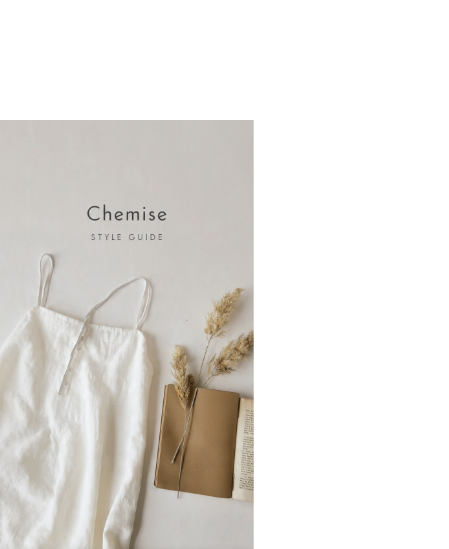
Table of Contents
Toggle
A chemise is one of the most versatile and timeless garments in women’s fashion. Originally designed as a simple undergarment worn beneath dresses centuries ago, the chemise has transformed into a fashionable piece of sleepwear, lingerie, and even casual clothing. Today, women appreciate the chemise for its comfort, elegance, lightweight feel, and stylish appearance. Available in luxurious fabrics such as silk and satin as well as breathable materials like cotton and bamboo, a chemise suits nearly every preference and occasion. Whether someone wants a comfortable nightdress, bridal lingerie, or fashionable loungewear, there is a chemise designed to meet those needs. This guide explains everything about chemises, including their history, different styles, fabrics, benefits, buying tips, and proper care, helping readers make informed decisions while enjoying both comfort and elegance.
What Is a Chemise?
A chemise is a loose-fitting, sleeveless garment traditionally worn by women. Historically, it functioned as an undergarment that protected expensive outer clothing from sweat and body oils. Over time, fashion designers transformed the chemise into an attractive piece of sleepwear and lingerie that combines practicality with beauty. Modern chemises are available in numerous lengths, colors, and materials, making them suitable for relaxing at home, sleeping comfortably, or adding elegance to special occasions. Their simple silhouette flatters many body types while allowing freedom of movement, making them a favorite choice for women seeking both style and comfort.
The History of the Chemise
The history of the chemise dates back hundreds of years when both men and women wore simple linen garments underneath their clothing. During medieval and Renaissance periods, chemises served as protective layers that absorbed perspiration and extended the life of outer garments. As fashion evolved, the chemise became increasingly associated with women’s clothing and gradually shifted from a hidden undergarment to a stylish sleepwear item. By the twentieth century, designers introduced luxurious fabrics, lace details, embroidery, and modern cuts that elevated the chemise into a fashionable lingerie staple. Today, the chemise continues to evolve with contemporary designs while maintaining its classic purpose of providing comfort and elegance.
Different Types of Chemise
The modern fashion industry offers a wide variety of chemise styles to suit different tastes and purposes. Satin chemises provide a smooth, glossy finish that creates a luxurious appearance while remaining lightweight against the skin. Silk chemises are prized for their softness, natural temperature regulation, and premium feel, making them ideal for special occasions. Cotton chemises remain popular because they are breathable, affordable, and easy to maintain, making them perfect for everyday sleepwear. Lace chemises add sophistication through delicate detailing and romantic designs that are often chosen for anniversaries or bridal wear. Bamboo and modal chemises have gained popularity among environmentally conscious shoppers because they are exceptionally soft, moisture-wicking, and sustainable. Each style offers unique benefits, allowing women to choose a chemise that matches their comfort preferences, fashion sense, and lifestyle.
Benefits of Wearing a Chemise
A chemise offers far more than an attractive appearance. One of its greatest advantages is comfort, as the loose-fitting design promotes unrestricted movement throughout the night. Lightweight fabrics improve airflow, helping regulate body temperature and providing a more restful sleeping experience. The elegant silhouette enhances confidence while remaining practical enough for daily wear. Many women also appreciate the versatility of chemises because they function equally well as sleepwear, loungewear, or layered lingerie. Their flattering design complements various body shapes without feeling restrictive, making them an excellent wardrobe addition for women of all ages. Furthermore, high-quality materials ensure durability and softness even after repeated washing when cared for properly.
Popular Chemise Fabrics
Fabric selection greatly influences the overall comfort and appearance of a chemise. Silk provides unmatched luxury, softness, and natural temperature regulation but requires careful maintenance. Satin offers a similar elegant appearance at a more affordable price while remaining smooth against the skin. Cotton is ideal for everyday use because it is breathable, hypoallergenic, and highly durable. Lace is commonly incorporated as decorative trim or panels that enhance femininity without sacrificing comfort. Bamboo fabric has become increasingly popular because of its sustainability, antibacterial properties, and moisture-wicking abilities, making it suitable for warm climates. Modal combines exceptional softness with wrinkle resistance, providing long-lasting comfort for daily use.
How to Choose the Perfect Chemise
Choosing the right chemise begins with identifying its intended purpose. Those seeking everyday comfort should prioritize breathable fabrics such as cotton or bamboo, while shoppers looking for luxury may prefer silk or satin. Selecting the correct size is equally important because a chemise should drape comfortably without feeling too tight or excessively loose. Length preferences vary from short mini styles to elegant knee-length designs, allowing buyers to select an option that matches their comfort level and personal style. Details such as adjustable straps, lace accents, and supportive bust designs can further improve both fit and appearance. Investing in quality craftsmanship ensures greater durability and a more enjoyable wearing experience over time.
How to Care for a Chemise
Proper care significantly extends the lifespan of a chemise. Delicate fabrics such as silk and lace should be hand washed using mild detergent or cleaned according to the manufacturer’s instructions. Cotton and bamboo chemises can often be machine washed on gentle cycles using cold water to preserve softness and color. Harsh chemicals, bleach, and excessive heat should be avoided because they may weaken fibers and damage delicate embellishments. Air drying is generally recommended to maintain fabric quality and prevent shrinking, while careful storage in a clean, dry location helps preserve the garment’s appearance.
Conclusion
The chemise has evolved from a practical undergarment into one of the most elegant and comfortable garments available today. Its combination of timeless style, luxurious fabrics, flattering designs, and exceptional versatility makes it an essential addition to many wardrobes. Whether chosen for restful sleep, stylish lounging, or romantic occasions, a quality chemise offers lasting comfort and sophistication. By understanding the different styles, fabrics, benefits, and care techniques, shoppers can confidently select the ideal chemise that complements their personal preferences while providing years of enjoyable wear.
Frequently Asked Questions (FAQ)
What is a chemise used for?
A chemise is primarily used as sleepwear, lingerie, or comfortable loungewear. Historically, it also served as an undergarment.
What is the difference between a chemise and a nightgown?
A chemise is generally shorter, lighter, and more fitted, while a nightgown is often longer and designed for maximum coverage.
Which fabric is best for a chemise?
Cotton is best for everyday comfort, silk provides luxury, satin offers elegance at a lower cost, and bamboo is excellent for breathability and sustainability.
Can a chemise be worn every day?
Yes. Many women wear cotton, modal, or bamboo chemises daily because they are lightweight, breathable, and comfortable.
How should I wash a silk chemise?
Hand wash it with a gentle detergent in cold water or follow the care label. Air drying is recommended to preserve the fabric.
Is a chemise suitable for all body types?
Yes. Chemises are available in a wide range of sizes and designs, making them flattering and comfortable for nearly every body shape.
What should I look for when buying a chemise?
Consider the fabric, size, fit, length, quality, adjustable straps, and the intended use to ensure maximum comfort and style.
This structure is SEO-friendly, covers the topic comprehensively, uses the primary keyword naturally, and is suitable for long-form content targeting strong Google rankings.


Trending
 information4 months ago
Justin Billingsley Greene Law: Leadership, Legal Innovation, and Professional Excellence
- study4 months ago
çievri: The Complete Guide for Beginners and Professionals
- Sports4 months ago
Basketball Random.GitHub: The Ultimate Guide
- Tech4 months ago
Amber the Colour: Meaning, Symbolism, History, Psychology, and Modern Uses
- Entertainment4 months ago
Basket Random GitHub IO: The Complete Guide to Playing the Fun Physics Basketball Game
- Fashion4 months ago
What Is a Chemise? Complete Guide to Styles, History, and Modern Uses
- Entertainment4 months ago
Buckner Mansion: The Complete History, Architecture, and Visitor Guide
- Tech4 months ago
Quantity Button HTML: Complete Guide with CSS and JavaScript