Entertainment
Tasyyblack: Complete Guide to Features, Uses, and Benefits


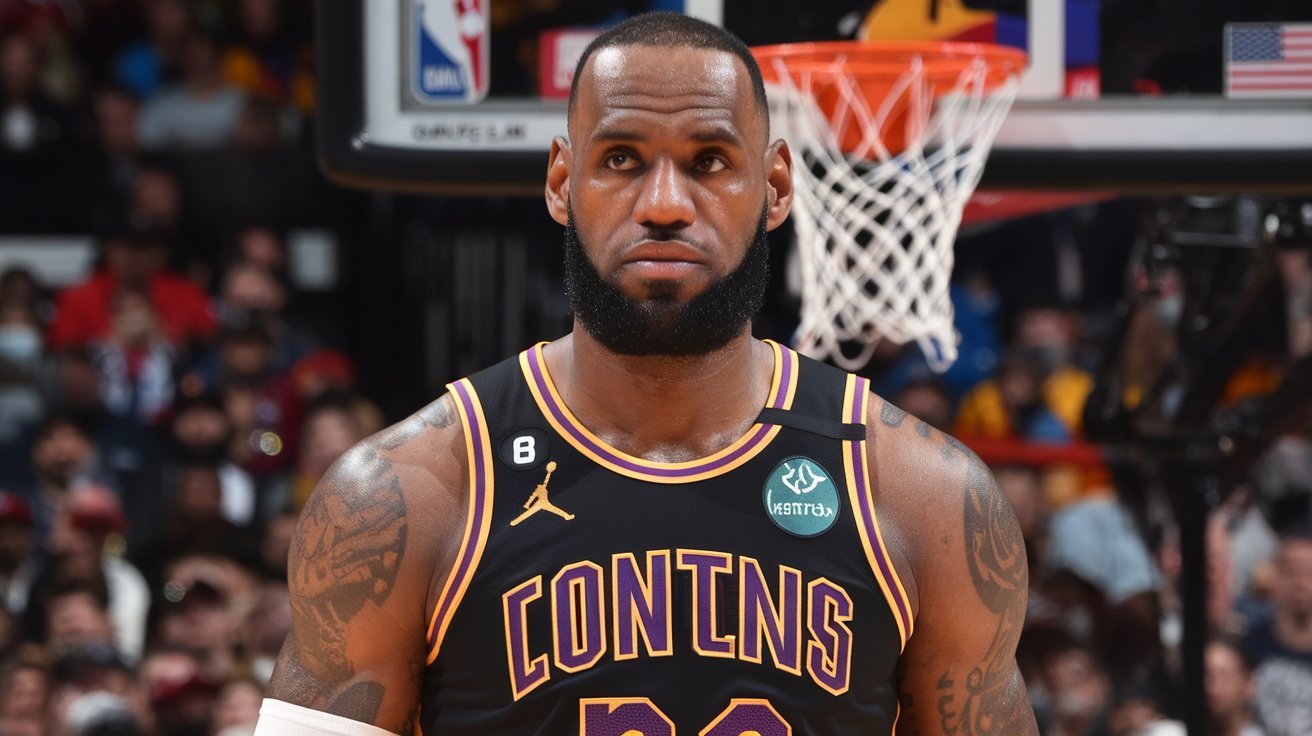
A LeBron jersey is much more than basketball apparel—it represents one of the greatest careers in NBA history. Whether you’re a lifelong supporter of LeBron James, a Los Angeles Lakers fan, a collector of sports memorabilia, or simply someone looking for stylish NBA merchandise, owning a LeBron jersey is a meaningful way to celebrate one of basketball’s most influential athletes. Over two decades, LeBron has transformed the game through his incredible achievements, championship victories, leadership, and lasting impact on sports culture. His jerseys have become iconic pieces worn by millions of fans worldwide.
Choosing the right LeBron jersey can seem overwhelming because there are many options available, including authentic editions, swingman jerseys, replica versions, city editions, classic throwback uniforms, All-Star jerseys, and limited collector releases. Each type serves different purposes and price ranges. This comprehensive guide explains everything you need to know before buying a LeBron jersey, including jersey history, sizing, materials, authenticity, styling tips, maintenance, and frequently asked questions.
The Legacy Behind the LeBron Jersey
Few NBA players have influenced basketball culture like LeBron James. Since entering the NBA in 2003 as the first overall draft pick, LeBron has become synonymous with excellence, consistency, leadership, and longevity. His jerseys symbolize every stage of his remarkable career, from his rookie days to championship victories and record-breaking milestones.
Fans wear LeBron jerseys not only to support their favorite player but also to celebrate unforgettable basketball moments. Every jersey reflects a chapter in his career, whether it’s his early years in Cleveland, championship runs in Miami, triumphant return to Cleveland, or continued excellence with the Los Angeles Lakers. Collectors often seek jerseys connected to memorable games or special editions because they represent historic moments in NBA history.
The Different LeBron Jerseys Throughout His Career
LeBron has worn several iconic uniforms during his NBA journey.
Cleveland Cavaliers (2003–2010)
LeBron entered the NBA wearing the Cavaliers uniform with jersey number 23. These jerseys remain popular among longtime fans because they represent the beginning of an extraordinary career. Vintage rookie editions are especially valuable among collectors.
Miami Heat (2010–2014)
During his time with Miami, LeBron won two NBA championships while wearing both number 6 and the famous Heat colors. These jerseys are associated with one of the NBA’s greatest championship teams.
Cleveland Cavaliers Return (2014–2018)
Returning home to Cleveland, LeBron led the Cavaliers to their historic 2016 NBA Championship, ending a decades-long title drought. Jerseys from this era are among the most emotional and meaningful for Cavaliers supporters.
Los Angeles Lakers (2018–Present)
LeBron joined the Lakers and eventually helped the franchise capture another NBA championship. Lakers jerseys featuring LeBron continue to rank among the NBA’s highest-selling jerseys every season.
Types of LeBron Jerseys
Not every LeBron jersey is identical. Understanding the differences helps buyers choose the best option.
Authentic Jerseys
Authentic jerseys are designed to match exactly what NBA players wear during games. Premium stitching, breathable performance fabrics, and official detailing make these the highest-quality option. They are ideal for serious collectors and dedicated fans.
Swingman Jerseys
Swingman jerseys offer a balance between authenticity and affordability. They feature high-quality materials while remaining comfortable for everyday wear.
Replica Jerseys
Replica jerseys provide an affordable way for fans to support LeBron. Although they lack some premium features found in authentic editions, they still maintain the team’s official appearance.
City Edition Jerseys
Every NBA season introduces City Edition uniforms inspired by local culture and community identity. LeBron’s City Edition jerseys are often among the most creative and sought-after designs.
Statement Edition Jerseys
These bold uniforms feature unique color combinations and modern styling, making them favorites among younger fans.
Classic Edition Jerseys
Classic jerseys celebrate historic team designs from previous decades, blending nostalgia with modern performance.
Authentic vs Replica LeBron Jersey
Many first-time buyers wonder which version is right for them.
Authentic jerseys include stitched names, premium materials, superior ventilation, and exact on-court specifications. They are more expensive but deliver the closest experience to what professional athletes wear.
Replica jerseys use printed graphics and simpler construction, making them significantly more affordable while still offering an attractive appearance. Casual fans often find replicas sufficient for everyday wear.
Swingman jerseys sit comfortably between these two options by providing excellent quality at a mid-range price.
How to Choose the Right LeBron Jersey Size
Finding the proper fit improves comfort and appearance. Basketball jerseys are available in youth and adult sizing, with regular and extended options. Those planning to wear a hoodie underneath often choose one size larger, while fans looking for a fitted appearance typically select their normal size.
Checking the manufacturer’s official sizing chart before purchasing reduces the chances of ordering the wrong size. Measurements for chest width and jersey length are especially important because sizing may differ slightly between collections.
Materials Used in Modern LeBron Jerseys
Today’s NBA jerseys are manufactured using advanced fabrics that maximize comfort and durability. Moisture-wicking polyester keeps players and fans cool during games while lightweight construction allows unrestricted movement.
Premium editions include breathable mesh panels, reinforced stitching, and performance fabrics engineered to maintain comfort even during extended wear. These features also help preserve the jersey’s appearance after repeated washing.
Why LeBron Jerseys Are So Popular
LeBron James has built a global fan base that spans generations. His influence reaches beyond basketball into philanthropy, business, entertainment, and popular culture. Wearing a LeBron jersey allows fans to express admiration for his achievements while supporting one of the NBA’s most recognizable athletes.
Limited-edition releases, championship jerseys, and special event uniforms often sell quickly because collectors understand their long-term value. Seasonal designs and commemorative editions also create excitement among basketball enthusiasts.
How to Spot an Authentic LeBron Jersey
Counterfeit sports merchandise remains common online, making it important to verify authenticity before purchasing.
Look for official NBA licensing labels, high-quality stitching, properly aligned logos, accurate fonts, premium fabrics, and professionally finished seams. Authentic retailers also provide product details, return policies, and proof of official licensing.
If a jersey’s price seems dramatically lower than expected, buyers should carefully evaluate the seller before completing a purchase.
Caring for Your LeBron Jersey
Proper care extends the life of any basketball jersey. Wash the jersey inside out using cold water and a gentle cycle to protect graphics and stitching. Avoid bleach and harsh detergents that may damage colors or fabric. Air drying is generally recommended instead of using high heat in a dryer, as excessive heat can weaken printed graphics and stitched details. Store the jersey in a cool, dry place away from direct sunlight to help preserve its colors over time.
Are LeBron Jerseys Worth Collecting?
Many collectors believe LeBron jerseys are among the most desirable pieces of modern NBA memorabilia. Jerseys connected to championships, rookie seasons, milestone games, or limited-edition releases often attract significant interest. While not every jersey will increase in value, well-preserved authentic editions from notable moments in LeBron’s career tend to remain highly sought after by basketball enthusiasts.
Conclusion
A LeBron jersey is more than just sports apparel—it represents dedication, excellence, and one of the greatest careers in basketball history. Whether you choose an authentic jersey for collecting, a swingman edition for everyday wear, or a replica for affordability, owning a LeBron jersey allows you to celebrate an iconic NBA legend. By understanding the different styles, sizing options, materials, and authenticity features, you can confidently select a jersey that fits your budget and your passion for the game. As LeBron James continues to shape basketball history, his jerseys remain timeless symbols cherished by fans around the world.
Frequently Asked Questions (FAQ)
1. Which LeBron jersey is the most popular?
The Los Angeles Lakers number 23 jersey is currently one of the most popular, while Cleveland Cavaliers rookie jerseys are favorites among collectors.
2. What’s the difference between authentic and swingman LeBron jerseys?
Authentic jerseys match the on-court uniforms worn by players, while swingman jerseys provide many premium features at a more affordable price.
3. Are LeBron jerseys good for everyday wear?
Yes. Swingman and replica jerseys are especially designed to be comfortable for casual wear, sporting events, and fan gatherings.
4. How do I know if a LeBron jersey is authentic?
Check for official NBA licensing, high-quality stitching, premium materials, accurate logos, and purchase from trusted retailers.
5. Which LeBron jersey is best for collectors?
Limited editions, rookie-year Cavaliers jerseys, championship jerseys, and special commemorative releases are among the most collectible.
6. Should I size up when buying a LeBron jersey?
If you plan to wear layers underneath, sizing up can provide a more comfortable fit. Otherwise, following the manufacturer’s sizing chart is usually the best choice.
7. Can I wash my LeBron jersey in a washing machine?
Yes, but use cold water, a gentle cycle, and turn the jersey inside out. Air drying is recommended to help preserve its quality.
8. Are older LeBron jerseys valuable?
Older jerseys associated with major milestones, championships, or rookie seasons can be especially desirable to collectors, particularly if they are authentic and kept in excellent condition.
Entertainment
How to Snowboard: The Complete Beginner’s Guide to Learning Fast and Riding with Confidence
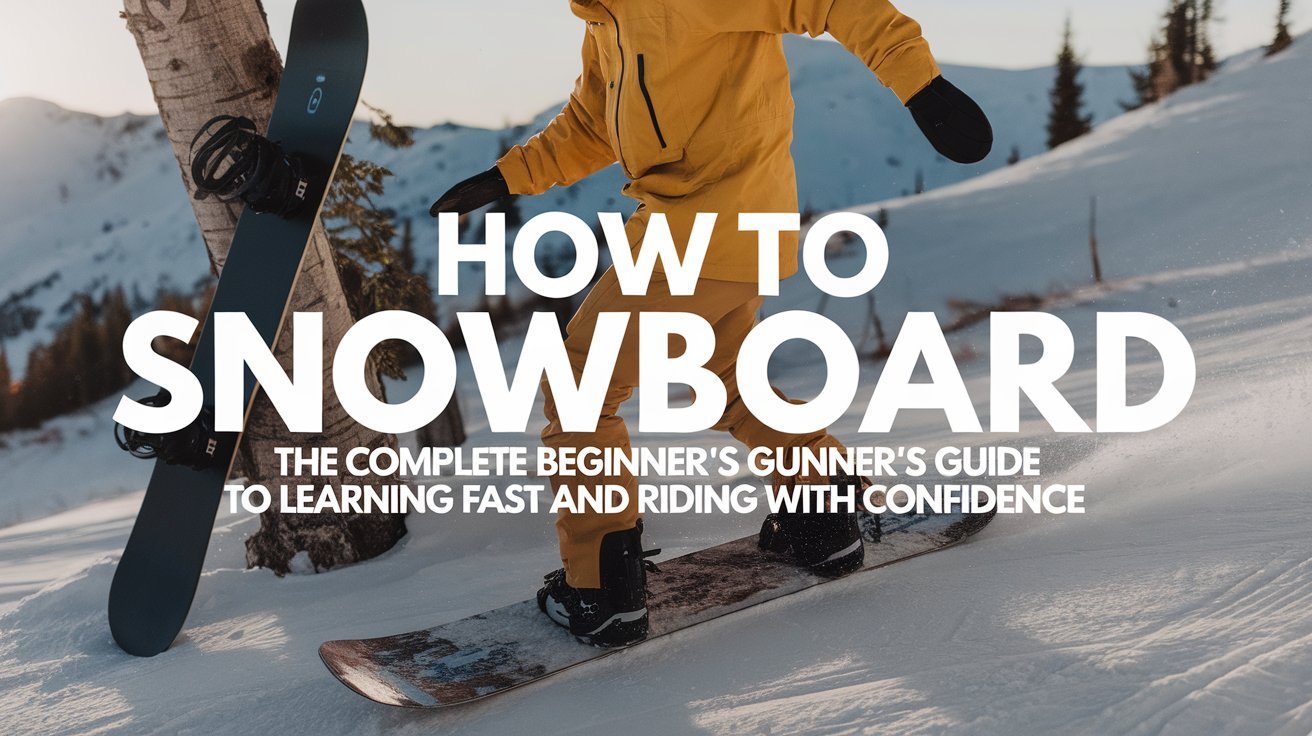
Snowboarding is one of the most exciting winter sports in the world, combining adventure, athleticism, and the thrill of gliding across snowy mountains. Whether you dream of carving smooth turns down scenic slopes or eventually mastering jumps and freestyle tricks, learning how to snowboard is the first step toward enjoying an unforgettable outdoor experience. Although many beginners assume snowboarding is difficult, the truth is that with the right techniques, quality equipment, and consistent practice, nearly anyone can learn to ride confidently. Every experienced snowboarder once struggled with balance, falling, and controlling the board, but those early challenges become valuable lessons that lead to steady improvement.
This comprehensive guide explains everything you need to know about how to snowboard, from choosing the right equipment and understanding your stance to learning balance, stopping safely, turning efficiently, and avoiding common beginner mistakes. By the time you finish reading, you’ll have a complete understanding of the fundamentals and the confidence to begin your snowboarding journey safely and successfully.
What Is Snowboarding?
Snowboarding is a winter sport where riders descend snowy slopes using a single board attached to both feet through bindings. Unlike skiing, where each foot moves independently, snowboarders rely on coordinated body movements to steer, brake, and maintain balance. The sport includes several disciplines such as freeriding, freestyle, alpine racing, backcountry exploration, and terrain park riding. While each discipline requires specialized skills, every snowboarder begins by mastering the same core fundamentals: balance, posture, edge control, and confidence.
Snowboarding has become increasingly popular because it combines physical fitness with outdoor adventure. Riders improve coordination, strengthen their core muscles, increase endurance, and develop exceptional body awareness while enjoying breathtaking mountain scenery. The learning process can be challenging during the first few days, but consistent practice leads to rapid improvement and an incredibly rewarding experience.
Benefits of Learning How to Snowboard
Learning to snowboard offers physical, mental, and social benefits. It strengthens your legs, core, and stabilizing muscles while improving flexibility and cardiovascular fitness. Snowboarding also enhances coordination, reaction time, and spatial awareness because riders constantly adjust their movements based on terrain and snow conditions.
Beyond physical health, snowboarding provides significant mental health benefits. Spending time outdoors in fresh mountain air reduces stress, boosts mood, and improves overall well-being. Many snowboarders describe the sport as meditative because it requires complete focus, allowing them to disconnect from everyday distractions. Snowboarding is also highly social, making it easy to meet friends, participate in group lessons, and enjoy winter vacations together.
Essential Snowboarding Equipment
Before stepping onto the snow, every beginner should invest in properly fitting equipment. A snowboard designed for beginners typically has a softer flex, making it easier to control and more forgiving when mistakes happen. Boots should fit snugly without causing discomfort, ensuring maximum control while preventing excessive movement inside the boot. Bindings connect the boots to the snowboard and should be adjusted according to your stance and riding style.
Protective gear is equally important. A certified helmet significantly reduces the risk of head injuries and should be considered mandatory. Wrist guards help protect beginners who instinctively extend their hands during falls, while padded shorts reduce discomfort when landing on icy terrain. Waterproof jackets, insulated pants, thermal base layers, quality gloves, and UV-protective goggles complete the essential equipment list, ensuring comfort and safety throughout the day.
Choosing Your Snowboard Stance
One of the first decisions every beginner makes is determining whether they ride regular or goofy. A regular rider places the left foot forward, while a goofy rider places the right foot forward. There is no correct stance—it depends entirely on which feels more natural.
A simple method for determining your stance is asking someone to gently push you from behind. The foot you instinctively place forward to regain balance often becomes your leading foot. Most snowboard rental shops and instructors can also help determine your natural stance before adjusting the bindings accordingly.
Learning Proper Snowboarding Balance
Balance is the foundation of successful snowboarding. Beginners should avoid standing rigidly because stiff muscles reduce control and increase the likelihood of falling. Instead, maintain slightly bent knees, relaxed shoulders, and centered body weight over the snowboard. Your eyes should always look ahead rather than down at your feet.
As you begin sliding, your body naturally adjusts to changing terrain. Keeping your hips aligned with the board and maintaining even weight distribution helps improve stability. Practicing balance on flat terrain before attempting steeper slopes builds confidence while allowing your muscles to develop the coordination needed for more advanced riding.
How to Move on Flat Ground
Moving on flat terrain is an important skill often overlooked by beginners. With one foot secured in the binding and the other free, use your free foot to push yourself forward similarly to riding a skateboard. This technique helps you navigate lift lines, beginner areas, and flat sections of the resort efficiently.
Learning to glide with one foot attached also improves overall board control. Once comfortable, practice stepping both on and off the snowboard repeatedly until mounting and dismounting become second nature.
Mastering Heel Edge and Toe Edge Control
Edge control is the most important technical skill in snowboarding. Every snowboard has two primary edges: the heel edge and the toe edge. Beginners typically learn heel-side movements first because they feel more stable. By gently shifting weight toward the heels, the board grips the snow and slows down naturally.
Toe-edge control requires leaning slightly toward the front of the boots while maintaining bent knees. Although initially more challenging, mastering both edges allows smooth turning, speed management, and improved confidence. Practicing alternating between heel and toe edges on gentle slopes develops muscle memory and prepares riders for more advanced terrain.
How to Stop Safely
Knowing how to stop safely is one of the first skills every snowboarder should master. Rather than attempting sudden movements, beginners should gradually increase pressure on either the heel or toe edge until the board slows and comes to a controlled stop. Abrupt movements often lead to catching an edge, resulting in unnecessary falls.
Practicing controlled stopping repeatedly on beginner slopes develops confidence and improves safety. Riders who can stop effectively feel more relaxed, allowing them to focus on improving other aspects of their technique.
Learning to Turn
Turning combines balance, edge control, and weight transfer. To initiate a turn, gently shift your weight while rotating your shoulders and hips in the desired direction. The snowboard naturally follows these movements, creating smooth, controlled turns.
Beginners should focus on making wide, gentle turns before attempting tighter carving techniques. As confidence increases, turns become smoother, faster, and more precise, allowing riders to navigate varying terrain comfortably.
Common Beginner Mistakes
Many first-time snowboarders lean backward because they fear gaining speed. Unfortunately, this reduces control and makes turning more difficult. Another common mistake is looking down at the snowboard instead of looking ahead toward the intended direction of travel.
Some beginners also become frustrated after frequent falls. Falling is a normal part of learning and provides valuable feedback for improving technique. Remaining patient, practicing consistently, and taking professional lessons significantly accelerate progress.
Snowboarding Safety Tips
Safety should always remain the highest priority. Wear a properly fitted helmet every time you ride, respect slope etiquette, and stay within your skill level. Check weather conditions before visiting the mountain, remain hydrated, and take regular breaks to avoid fatigue. Never attempt advanced terrain until you’ve mastered beginner slopes and basic turning techniques.
Best Exercises to Prepare for Snowboarding
Strengthening your body before the season improves performance and reduces injury risk. Squats build leg strength, planks develop core stability, lunges improve balance, and yoga enhances flexibility. Cardiovascular activities such as cycling, hiking, or jogging increase endurance, allowing longer and more enjoyable days on the mountain.
Tips to Learn Snowboarding Faster
Take professional lessons during your first visit, practice consistently rather than infrequently, and spend extra time mastering basic skills before attempting advanced tricks. Watching instructional videos, analyzing experienced riders, and maintaining a positive mindset also contribute to faster improvement. Most importantly, accept that falling is part of the learning process and focus on gradual progress instead of perfection.
Conclusion
Learning how to snowboard is an exciting journey that combines physical fitness, outdoor adventure, and continuous skill development. While every beginner experiences challenges during the first few days, consistent practice, proper equipment, and safe techniques make improvement inevitable. By mastering balance, edge control, turning, stopping, and mountain safety, you’ll build a strong foundation that prepares you for more advanced snowboarding experiences in the future. Whether your goal is simply enjoying scenic mountain runs or progressing to freestyle tricks and carving, patience and dedication will help you become a confident snowboarder who looks forward to every winter season.
Frequently Asked Questions (FAQ)
Is snowboarding difficult for beginners?
Snowboarding can feel challenging during the first few days, but most beginners make noticeable progress after a few lessons and regular practice.
How long does it take to learn how to snowboard?
Most people can learn the basics in one to three days, while becoming a confident rider usually takes several weeks of consistent practice.
Should beginners rent or buy snowboard equipment?
Renting equipment is usually the best choice for beginners until they know what type of snowboard and setup suits their riding style.
Is snowboarding harder than skiing?
Many people find snowboarding harder to start because both feet are attached to one board, but easier to progress once the fundamentals are mastered.
What should I wear while snowboarding?
Wear waterproof outer layers, insulated clothing, thermal base layers, waterproof gloves, snow socks, goggles, and a certified helmet.
Can adults learn snowboarding?
Yes. Adults of all ages can successfully learn snowboarding with proper instruction, suitable equipment, and consistent practice.
How can I improve my snowboarding quickly?
Practice regularly, take professional lessons, focus on balance and edge control, stay physically fit, and don’t be discouraged by falls.
Do I need to be physically fit to snowboard?
A basic level of fitness is helpful, but beginners can improve their strength and endurance as they continue learning. Exercises that strengthen the legs and core make snowboarding easier and more enjoyable.


 information4 months ago
Justin Billingsley Greene Law: Leadership, Legal Innovation, and Professional Excellence
- study4 months ago
çievri: The Complete Guide for Beginners and Professionals
- Sports4 months ago
Basketball Random.GitHub: The Ultimate Guide
- Tech4 months ago
Amber the Colour: Meaning, Symbolism, History, Psychology, and Modern Uses
- Fashion4 months ago
Corduroy: The Complete Guide to History, Types, Uses, Benefits, Care, and Modern Fashion
- Entertainment4 months ago
Basket Random GitHub IO: The Complete Guide to Playing the Fun Physics Basketball Game
- Fashion4 months ago
What Is a Chemise? Complete Guide to Styles, History, and Modern Uses
- Entertainment4 months ago
Buckner Mansion: The Complete History, Architecture, and Visitor Guide