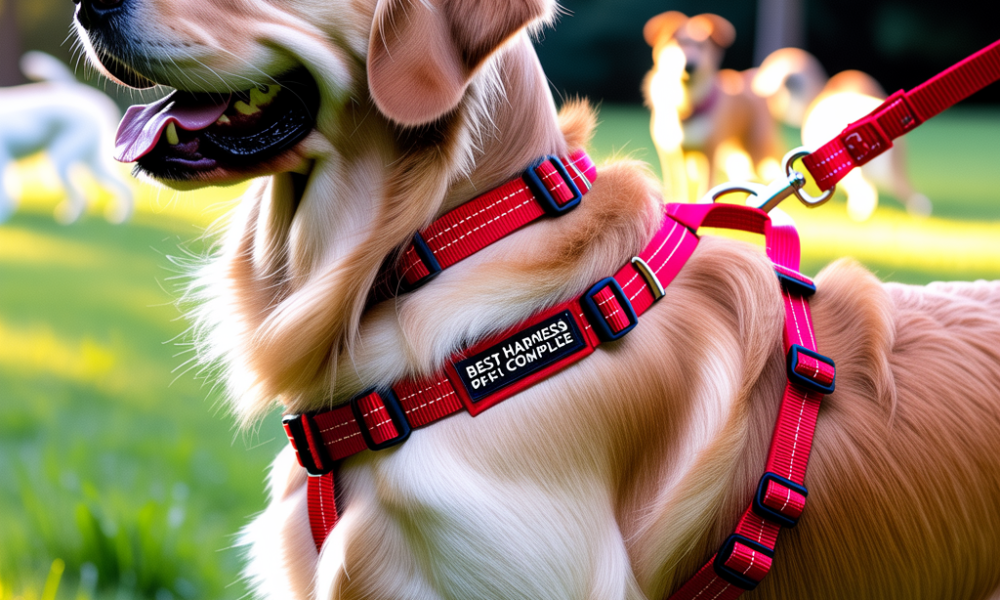
Finding the right harness may seem simple at first, but the wide variety of designs, materials, and features available today makes the decision more important than many people realize. Whether you need a harness for work, outdoor activities, sports, pets, or specialized equipment, choosing the wrong model can affect comfort, safety, durability, and overall performance. A well-designed harness distributes pressure evenly, reduces strain, improves control, and provides a secure fit that enhances both safety and convenience. That is why understanding what to look for before making a purchase is essential. This comprehensive harness buying guide explains everything you need to know, from harness types and materials to sizing, safety standards, maintenance, and expert buying tips. By the end of this guide, you will have the knowledge needed to confidently select the best harness for your specific requirements.
What Is a Harness?
A harness is a support system made from straps, buckles, and durable materials that distribute force across multiple parts of the body or another object rather than concentrating pressure in a single location. Harnesses are designed for different purposes, including personal safety, climbing, industrial work, pet control, automotive applications, and outdoor recreation. While each harness serves a different function, the primary goal remains the same: providing comfort, security, and stability while reducing unnecessary pressure and improving overall performance. Selecting the correct harness depends on understanding the intended application and matching it with the appropriate design and safety features.
Why Choosing the Right Harness Matters
Purchasing the right harness is about much more than price or appearance. An appropriate harness improves comfort during extended use, reduces the risk of injury, and provides better control in demanding situations. A poorly fitted or low-quality harness may cause discomfort, uneven pressure distribution, restricted movement, or even safety hazards. Investing in a high-quality harness often results in longer product life, better adjustability, and improved overall value. Taking the time to compare different options before purchasing ensures that you receive a product that performs reliably and comfortably.
Types of Harnesses
Different harnesses are designed for specific tasks, and selecting the appropriate type is one of the most important buying decisions. Full-body harnesses are commonly used in construction, industrial work, and climbing because they provide maximum support and fall protection. Chest harnesses are typically combined with other equipment to increase stability in specialized activities. Waist harnesses are lightweight and popular for climbing and adventure sports where mobility is essential. Pet harnesses are designed to distribute pulling force comfortably across an animal’s body, making walks safer and more enjoyable. Understanding the purpose of each type allows buyers to make an informed decision based on their unique needs.
Harness Materials
Material quality directly affects durability, comfort, and performance. Nylon remains one of the most popular harness materials because it offers excellent strength, flexibility, and resistance to wear. Polyester is another common choice due to its resistance to moisture, stretching, and ultraviolet exposure, making it suitable for outdoor environments. Leather harnesses provide exceptional durability and a classic appearance but require regular maintenance. Premium harnesses often feature reinforced stitching, corrosion-resistant hardware, and padded sections that improve comfort during prolonged use. Evaluating material quality helps ensure long-term reliability.
Finding the Correct Harness Size
Proper sizing is essential for both comfort and safety. A harness that is too loose may shift during use, while one that is too tight can restrict movement and create uncomfortable pressure points. Most manufacturers provide detailed sizing charts based on body measurements or application-specific dimensions. Carefully measuring before purchasing and selecting an adjustable harness whenever possible allows for a customized fit. Buyers should always follow manufacturer recommendations and test the harness for comfort before extended use.
Important Features to Look For
Modern harnesses include numerous features that improve usability and performance. Adjustable straps allow users to achieve a personalized fit, while quick-release buckles make wearing and removing the harness easier. Breathable padding improves comfort by reducing pressure and increasing airflow. Reinforced stitching enhances durability, and reflective materials improve visibility in low-light conditions. High-quality hardware, including strong buckles and metal attachment points, contributes to overall safety and longevity. Comparing these features helps buyers identify products that offer the best value.
Harness Safety Considerations
Safety should always be the highest priority when purchasing a harness. Buyers should inspect the stitching, buckles, attachment points, and load-bearing components to ensure they meet applicable safety requirements. Products designed for demanding environments should comply with recognized industry standards and undergo regular inspection throughout their service life. Even the best harness requires proper adjustment and routine maintenance to provide reliable protection. Replacing damaged or worn equipment promptly helps prevent accidents and extends product reliability.
Maintenance and Care
Proper maintenance significantly increases the lifespan of a harness. Cleaning should be performed according to the manufacturer’s instructions using mild soap and water when appropriate. Harsh chemicals should be avoided because they may weaken fibers or damage protective coatings. After cleaning, the harness should dry naturally away from direct sunlight or excessive heat. Regular inspections help identify frayed straps, damaged buckles, or worn stitching before they become safety concerns. Proper storage in a cool, dry location also helps preserve material integrity.
Common Mistakes to Avoid
Many buyers focus primarily on price while overlooking factors such as fit, intended use, durability, and safety certifications. Choosing the wrong size, ignoring adjustment features, purchasing products made from inferior materials, or failing to inspect equipment regularly can reduce both comfort and performance. Another common mistake is selecting a harness intended for a different purpose. Matching the harness to its intended application ensures maximum effectiveness and safety.
Expert Buying Tips
Before making a purchase, identify your primary purpose and compare multiple models based on quality, comfort, adjustability, durability, and overall value instead of simply choosing the least expensive option. Read customer reviews, verify product specifications, examine warranty coverage, and purchase from reputable manufacturers or authorized retailers. Investing in a slightly higher-quality harness often provides better comfort, greater reliability, and lower long-term replacement costs.
Conclusion
Selecting the right harness requires careful consideration of its intended purpose, materials, fit, adjustability, safety features, and overall construction quality. A well-chosen harness offers improved comfort, enhanced safety, and dependable long-term performance, making it a worthwhile investment for both professional and personal use. By understanding the differences between harness types, evaluating important features, and following proper maintenance practices, buyers can confidently choose a product that meets their specific needs. Using this harness buying guide as a reference will help ensure that your purchase delivers lasting value, reliability, and peace of mind.
Frequently Asked Questions (FAQ)
What is the most important factor when buying a harness?
The most important factor is choosing a harness designed for your intended use while ensuring it fits correctly and includes high-quality safety features.
How do I know if a harness fits properly?
A properly fitted harness should feel secure without restricting movement. Adjustable straps should provide a snug but comfortable fit.
Which material is best for a harness?
Nylon and polyester are popular because they are durable, lightweight, and resistant to wear. Leather is also durable but requires more maintenance.
How often should a harness be inspected?
Inspect the harness before every use and perform a thorough inspection regularly to identify signs of wear, damaged stitching, or faulty hardware.
How long does a harness last?
The lifespan depends on the material, frequency of use, environmental conditions, and maintenance. Replace any harness that shows signs of damage or no longer meets safety requirements.
Is a more expensive harness always better?
Not always. Compare quality, durability, comfort, adjustability, safety features, warranty, and customer reviews rather than relying solely on price.
Can one harness be used for every purpose?
No. Different activities require different harness designs. Always select a harness specifically intended for your application.
What features should I prioritize?
Look for adjustable straps, durable materials, reinforced stitching, comfortable padding, secure buckles, and reliable attachment points that match your intended use.