
religion
Voddie Baucham: Biography, Theology, Books, and Lasting Influence

Published
4 months agoon

Table of Contents
Toggle
Voddie Baucham is widely recognized as a Christian pastor, author, speaker, and theologian whose teaching emphasizes biblical authority, family discipleship, Christian worldview, and expository preaching. Over the years, he has gained an international audience through sermons, books, conferences, and educational ministry. Many Christians appreciate his ability to explain complex theological ideas in a practical and understandable way while encouraging believers to examine every area of life through the lens of Scripture. Whether discussing parenting, culture, apologetics, education, or church leadership, Baucham consistently points readers and listeners toward careful biblical interpretation and faithful Christian living. This guide explores his background, ministry, beliefs, books, and lasting influence.
Early Life and Education
Voddie Baucham grew up in the United States and became a Christian during his youth. His personal testimony often highlights how faith transformed the direction of his life. After becoming a believer, he pursued theological education and pastoral ministry with a strong commitment to studying Scripture. His academic preparation equipped him for preaching, writing, and teaching in churches, seminaries, and conferences around the world. Throughout his ministry, he has emphasized the importance of biblical literacy, encouraging Christians to understand not only what they believe but also why they believe it.
Rather than limiting his focus to church services alone, Baucham has consistently addressed issues affecting families, education, culture, and personal discipleship. His educational background has influenced his careful approach to interpreting biblical texts and presenting theological concepts in a structured and accessible way.
Ministry and Teaching
A defining characteristic of Voddie Baucham’s ministry is his commitment to expository preaching, a method that explains Scripture by examining passages in their historical and literary context. Instead of emphasizing personal opinions or current trends, he encourages audiences to let the Bible shape their beliefs and decisions.
His ministry has reached people through churches, conferences, online sermons, books, and educational institutions. He frequently addresses topics such as Christian parenting, marriage, biblical manhood and womanhood, family worship, apologetics, and worldview formation. His messages often challenge Christians to think critically about cultural influences while remaining grounded in biblical teaching.
Theology and Biblical Worldview
One of the major themes throughout Baucham’s teaching is the authority and sufficiency of the Bible. He teaches that Scripture provides the ultimate foundation for Christian faith and practice. His emphasis on a biblical worldview encourages believers to evaluate every aspect of life—including education, ethics, family, politics, and culture—through biblical principles.
He also speaks regularly about Christian apologetics, encouraging believers to understand and defend their faith thoughtfully and respectfully. Rather than relying solely on emotional arguments, he emphasizes careful reasoning rooted in Scripture.
His theology reflects historic evangelical convictions regarding salvation through faith in Jesus Christ, the authority of God’s Word, and the importance of discipleship within the local church.
Books by Voddie Baucham
Voddie Baucham has written several books covering theology, family life, discipleship, and Christian living. His works are intended to help readers apply biblical principles to everyday life while developing a deeper understanding of Scripture.
Many readers appreciate his writing because it combines theological depth with practical application. His books often encourage parents to become primary spiritual leaders in their homes, stress the importance of intentional discipleship, and challenge Christians to engage thoughtfully with contemporary cultural issues.
His publications continue to be used in churches, Bible studies, and personal reading around the world.
Influence on Christian Families
Family discipleship remains one of the most recognized aspects of Baucham’s ministry. He encourages parents to actively teach Scripture within the home rather than relying exclusively on church programs. According to his teaching, the home plays a vital role in shaping children’s understanding of faith, character, and biblical truth.
His emphasis on intentional parenting has inspired many families to establish regular Bible reading, prayer, and family worship. While different Christian traditions may approach these practices differently, his central message is that parents have a significant responsibility in the spiritual formation of their children.
Public Speaking and Conferences
In addition to writing books, Baucham has spoken at churches, conferences, and educational events across multiple countries. His presentations often combine biblical exposition with practical application, addressing subjects such as worldview, discipleship, leadership, and Christian living.
Many listeners value his structured teaching style, which encourages careful engagement with Scripture while addressing contemporary questions facing the church and society.
Lasting Legacy
Voddie Baucham’s influence extends beyond his books and sermons. His commitment to biblical teaching has contributed to ongoing discussions about family discipleship, Christian education, apologetics, and the authority of Scripture. His work continues to encourage believers to pursue a deeper understanding of the Bible while seeking to apply biblical principles consistently in everyday life.
Although Christians may differ on certain theological interpretations or ministry emphases, Baucham’s writings and teaching remain an important part of many conversations within evangelical Christianity. His legacy reflects a sustained focus on Scripture, discipleship, and thoughtful engagement with faith.
Conclusion
Voddie Baucham has become a well-known voice in contemporary evangelical Christianity through his preaching, books, and teaching ministry. His emphasis on biblical authority, family discipleship, Christian worldview, and expository preaching has influenced churches and individuals around the world. Readers interested in theology, apologetics, parenting, or Christian living often turn to his work for thoughtful engagement with Scripture. Regardless of one’s perspective on every theological point, his contributions have had a significant impact on modern Christian discussion and continue to encourage believers to study the Bible carefully and live according to its teachings.
Frequently Asked Questions (FAQ)
Who is Voddie Baucham?
Voddie Baucham is a Christian pastor, author, speaker, and theologian known for his teaching on biblical authority, family discipleship, apologetics, and Christian worldview.
What is Voddie Baucham known for?
He is best known for expository preaching, books on Christian family life, biblical worldview, and speaking at conferences around the world.
What topics does Voddie Baucham teach?
His teaching commonly covers theology, Scripture, apologetics, Christian parenting, marriage, discipleship, church leadership, and biblical worldview.
Has Voddie Baucham written books?
Yes. He has written several books on Christian living, theology, family discipleship, and biblical teaching.
Why do people read Voddie Baucham’s books?
Many readers appreciate his emphasis on careful biblical interpretation, practical Christian living, and thoughtful engagement with theological and cultural issues.
What is Voddie Baucham’s teaching style?
He is known for expository preaching, which focuses on explaining biblical passages in their context and applying them to everyday life.
You may like
religion
Allahu Akbar: Meaning, Importance, Benefits, and Spiritual Significance in Islam
Published
4 months agoon
July 6, 2026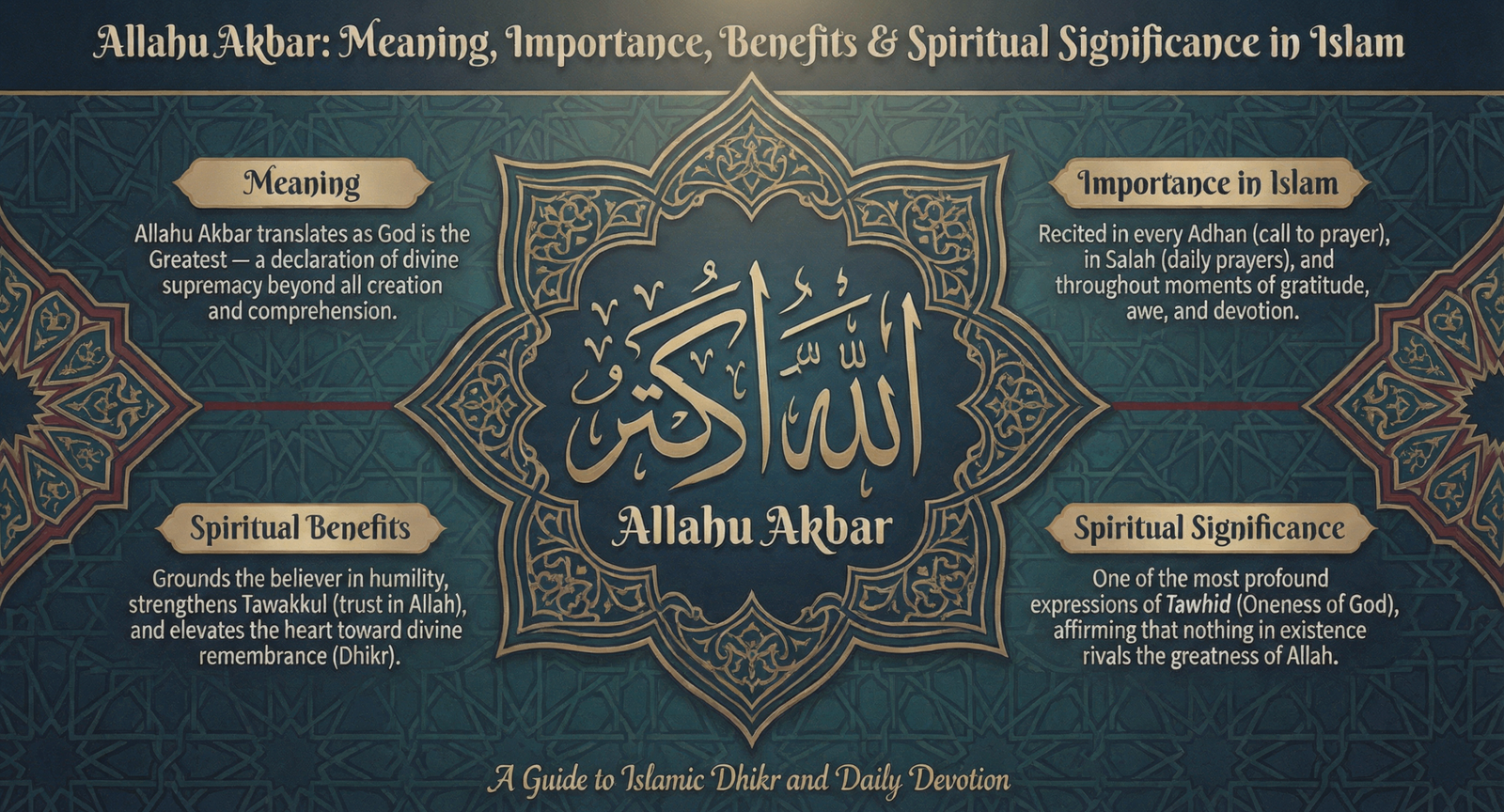
Table of Contents
ToggleAllahu Akbar is one of the most recognized and meaningful phrases in Islam. Muslims around the world recite it every day during their prayers, while making supplications, expressing gratitude, and remembering Allah. The phrase carries a profound message of faith, humility, and trust in the Creator. Although many people have heard the words “Allahu Akbar,” not everyone understands their true meaning or the important role they play in a Muslim’s daily life.
This comprehensive guide explains the meaning of Allahu Akbar, its significance in Islam, where it is mentioned in worship, its spiritual benefits, and how Muslims can incorporate it into their daily lives. Whether you are a Muslim seeking a deeper understanding or someone interested in learning about Islamic beliefs, this article provides clear and authentic information about one of Islam’s most cherished expressions of faith.
What Does Allahu Akbar Mean?
The phrase Allahu Akbar is commonly translated as “Allah is the Greatest.” It is known as the Takbir, a declaration that reminds believers that Allah is greater than everything in existence. This statement is not merely a comparison between Allah and His creation; rather, it expresses that Allah’s greatness is beyond all human understanding, power, wealth, status, and worldly achievements. It reinforces the belief that nothing can equal the majesty, wisdom, mercy, and authority of Allah.
Whenever Muslims say “Allahu Akbar,” they acknowledge that Allah’s knowledge surpasses all knowledge, His power exceeds every force, and His mercy is greater than every difficulty. This phrase helps believers maintain humility, remember their dependence on Allah, and keep worldly concerns in their proper perspective.
The Importance of Allahu Akbar in Islam
The phrase “Allahu Akbar” occupies a central place in Islamic worship and daily life. Muslims recite it repeatedly during the five daily prayers, at the beginning of each prayer, while moving between different positions in prayer, and during special occasions such as the two Eids. It is also recited when remembering Allah, expressing amazement at His creation, and seeking strength during difficult moments.
The importance of Allahu Akbar extends beyond ritual worship. It serves as a constant reminder that success comes from Allah alone and that every blessing originates from Him. When a believer recognizes Allah’s greatness, feelings of pride, arrogance, fear, and despair begin to diminish because the heart becomes attached to the One who controls all affairs.
Allahu Akbar in Daily Worship
Muslims say Allahu Akbar many times throughout the day. Every obligatory prayer begins with the opening Takbir, marking the transition from worldly activities to direct worship of Allah. During prayer, the phrase is repeated while moving between standing, bowing, prostrating, and sitting.
Outside prayer, Muslims also recite Allahu Akbar after completing certain acts of worship, during the days of Eid, while reflecting on Allah’s blessings, and during moments of gratitude or joy. The frequent repetition of this phrase helps keep faith alive in the heart and reminds believers that Allah remains greater than every challenge they may face.
Spiritual Benefits of Saying Allahu Akbar
Reciting Allahu Akbar regularly brings many spiritual benefits. It strengthens faith by constantly reminding believers of Allah’s unmatched greatness. It nurtures humility, as acknowledging Allah’s greatness naturally reduces arrogance and self-importance. The phrase also encourages patience during hardships because it reminds believers that every difficulty exists under Allah’s complete control.
Many Muslims find that saying Allahu Akbar brings peace to the heart during times of anxiety and uncertainty. It redirects attention away from temporary worldly concerns and toward eternal realities. This remembrance encourages gratitude, strengthens trust in Allah, and inspires believers to remain steadfast in worship and righteous conduct.
Allahu Akbar During Difficult Times
Life presents challenges that test patience and faith. During illness, financial hardship, personal loss, or emotional struggles, many Muslims repeat Allahu Akbar as a source of comfort and strength. The phrase reminds them that Allah’s wisdom is greater than human understanding and that every trial has purpose.
By focusing on Allah’s greatness instead of the size of a problem, believers develop hope and resilience. Rather than surrendering to despair, they remember that Allah has the power to change every situation and reward patience in ways beyond imagination.
Allahu Akbar and Personal Character
Remembering Allah’s greatness has a direct impact on personal behavior. A believer who sincerely understands Allahu Akbar strives to be honest, compassionate, generous, and just because they recognize Allah’s awareness of every action. This awareness encourages integrity even when no one else is watching.
The phrase also promotes forgiveness, gratitude, patience, and kindness. Instead of becoming consumed by pride or worldly competition, believers are reminded that true honor comes through obedience to Allah and good character.
Common Misunderstandings About Allahu Akbar
Unfortunately, some people misunderstand the phrase Allahu Akbar because of how it has sometimes been portrayed in media coverage of violent events. In reality, the phrase itself is a declaration of God’s greatness and is used countless times every day by Muslims during peaceful acts of worship, prayer, gratitude, and remembrance.
For Muslims, Allahu Akbar is associated with devotion, humility, and worship. Its true meaning should be understood within the broader context of Islamic teachings, which emphasize sincere worship of Allah, moral character, compassion, justice, and respect for human life.
Lessons We Can Learn from Allahu Akbar
The phrase Allahu Akbar teaches valuable lessons that apply to everyday life. It reminds believers that worldly success should never become more important than faith. It encourages gratitude by helping people recognize that every blessing ultimately comes from Allah. It strengthens courage because believers know that no challenge is greater than Allah’s power. It also promotes humility by reminding people that human achievements are limited, while Allah’s greatness has no limits.
Living according to these lessons allows Muslims to develop stronger faith, healthier relationships, greater emotional resilience, and a deeper sense of purpose.
How to Incorporate Allahu Akbar into Daily Life
Making Allahu Akbar a regular part of daily remembrance can strengthen one’s relationship with Allah. Muslims can recite it sincerely during their daily prayers, while remembering Allah after prayer, when witnessing the beauty of creation, after receiving blessings, and during times of difficulty. Reflecting on the meaning while saying the words increases their impact on the heart and encourages greater mindfulness in everyday life.
Conclusion
The phrase Allahu Akbar is far more than a simple expression. It is a profound declaration of faith that reminds Muslims that Allah is greater than every fear, every challenge, every success, and every aspect of worldly life. By understanding its meaning and reflecting upon it sincerely, believers strengthen their relationship with Allah, develop humility, find comfort during hardships, and increase their gratitude for countless blessings. Making Allahu Akbar a regular part of daily worship and remembrance helps cultivate a heart that trusts Allah completely and strives to live according to His guidance. Its timeless message continues to inspire millions of Muslims around the world to place their hope, confidence, and devotion in Allah alone.
Frequently Asked Questions (FAQs)
1. What does Allahu Akbar mean?
Allahu Akbar means “Allah is the Greatest.” It expresses Allah’s absolute greatness and supremacy.
2. Why do Muslims say Allahu Akbar?
Muslims say it during prayer, remembrance of Allah, expressions of gratitude, and many other acts of worship.
3. Is Allahu Akbar mentioned in Islamic worship?
Yes. It is recited throughout the daily prayers and during many other acts of worship and remembrance.
4. What is Takbir?
Takbir is the declaration “Allahu Akbar,” affirming that Allah is greater than everything.
5. What are the benefits of saying Allahu Akbar?
It strengthens faith, increases humility, brings peace to the heart, encourages gratitude, and reminds believers to trust Allah.
6. Can Muslims say Allahu Akbar outside of prayer?
Yes. Muslims commonly say it throughout the day while remembering Allah or expressing gratitude and awe.
7. Is Allahu Akbar only used during religious occasions?
No. It is used in daily life as well as during prayers, Eid celebrations, and other occasions of worship.
8. How can understanding Allahu Akbar strengthen faith?
Reflecting on its meaning helps believers remember Allah’s greatness, trust His wisdom, and remain steadfast through life’s blessings and challenges.


Trending
 information4 months ago
Justin Billingsley Greene Law: Leadership, Legal Innovation, and Professional Excellence
- study4 months ago
çievri: The Complete Guide for Beginners and Professionals
- Sports4 months ago
Basketball Random.GitHub: The Ultimate Guide
- Tech4 months ago
Amber the Colour: Meaning, Symbolism, History, Psychology, and Modern Uses
- Fashion4 months ago
Corduroy: The Complete Guide to History, Types, Uses, Benefits, Care, and Modern Fashion
- Entertainment4 months ago
Basket Random GitHub IO: The Complete Guide to Playing the Fun Physics Basketball Game
- Fashion4 months ago
What Is a Chemise? Complete Guide to Styles, History, and Modern Uses
- Entertainment4 months ago
Buckner Mansion: The Complete History, Architecture, and Visitor Guide