history
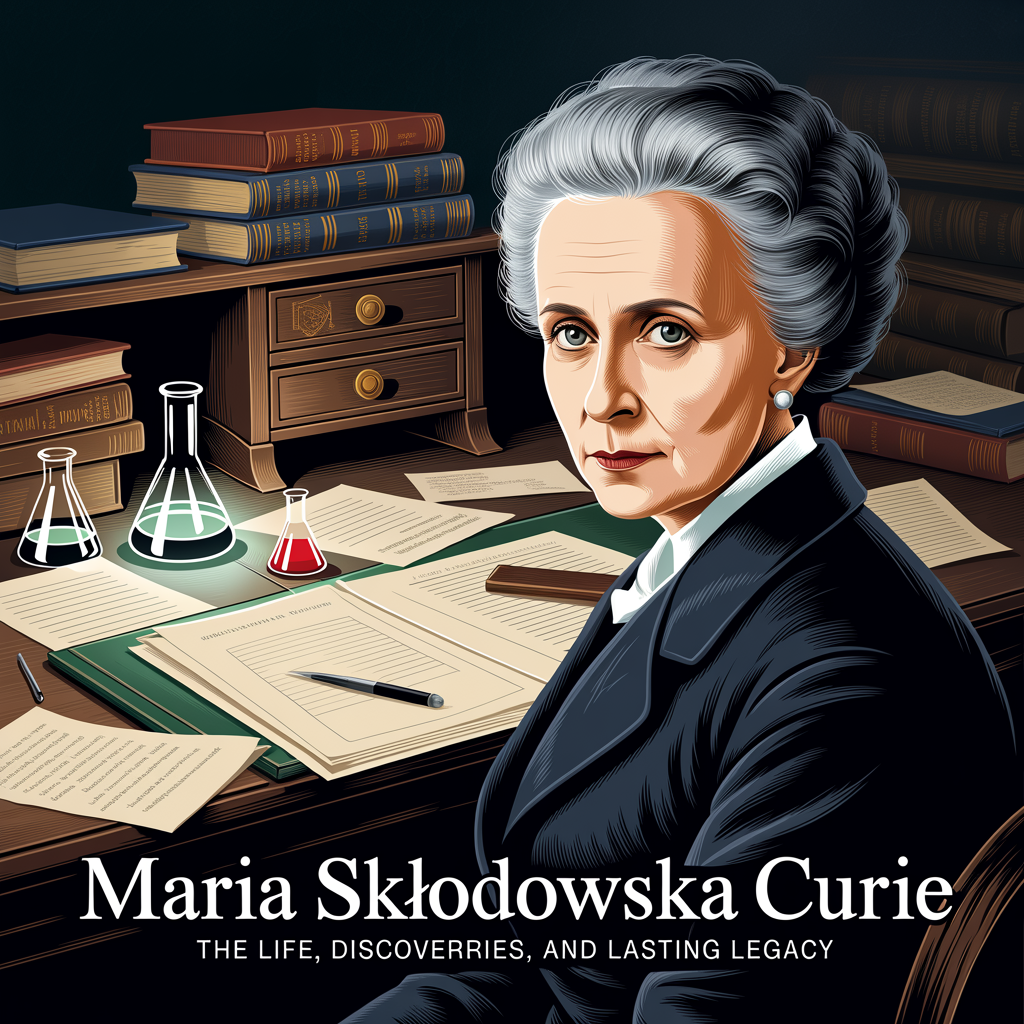
Maria Skłodowska Curie: The Life, Discoveries, and Lasting Legacy
Published
2 weeks agoon

Table of Contents
Toggle
Maria Skłodowska Curie is remembered as one of history’s most influential scientists. Her pioneering research transformed the understanding of radioactivity and laid the foundation for major advances in physics, chemistry, and medicine. As the first woman to receive a Nobel Prize, the first person to win Nobel Prizes in two different scientific fields, and one of the most respected researchers of all time, her achievements continue to inspire scientists and students worldwide. Her determination,марии склодовской кюри intellectual curiosity, and dedication to scientific discovery made her a symbol of perseverance and innovation. Today, her work continues to influence cancer treatment, medical imaging, nuclear science, and countless research projects across the globe.
Early Life and Education
Maria Skłodowska Curie was born on November 7, 1867, in Warsaw, Poland, during a period when educational opportunities for women were severely limited. Despite financial hardships and political restrictions, she excelled academically from an early age. She developed a deep love for mathematics and science thanks to her family’s emphasis on education. After years of working as a governess to support herself and her sister’s education, Maria moved to Paris to attend the Sorbonne, where she studied physics and mathematics. Although she faced poverty and difficult living conditions, her determination allowed her to graduate at the top of her class and begin a remarkable scientific career.
Marriage and Scientific Partnership
In Paris, Maria met physicist Pierre Curie, whose passion for scientific research matched her own. They married in 1895 and formed one of history’s greatest scientific partnerships. Together they investigated mysterious radiation emitted by uranium. Their collaborative research involved countless hours in modest laboratory conditions, yet their dedication never weakened. Working side by side, they developed innovative methods for studying radioactive substances and made discoveries that would forever change science. Their partnership demonstrated how collaboration and shared curiosity can lead to extraordinary breakthroughs.
Discovery of Polonium and Radium
One of Maria Skłodowska Curie’s greatest accomplishments was the discovery of two new chemical elements: polonium and radium. Polonium was named after her homeland, Poland, reflecting both her scientific success and her pride in her native country. Radium proved even more remarkable because of its intense radioactive properties. Extracting these elements required processing enormous quantities of mineral ore through physically demanding work that lasted for years. These discoveries introduced entirely new concepts in chemistry and physics and expanded scientific understanding of atomic behavior. They also opened new possibilities for industrial applications and medical treatments.
Research on Radioactivity
Maria Curie introduced and popularized the term “radioactivity” to describe the spontaneous emission of energy from certain elements. Her careful experiments demonstrated that radioactivity originated within atoms rather than resulting from chemical reactions. This revolutionary finding challenged long-held scientific beliefs and helped establish modern atomic physics. Her precise measurements, rigorous methodology, and commitment to evidence set new standards for scientific research. Her work inspired generations of scientists to explore the structure of matter and the fundamental forces governing the universe.
Nobel Prize Achievements
Maria Skłodowska Curie’s achievements earned worldwide recognition. In 1903, she shared the Nobel Prize in Physics with Pierre Curie and Henri Becquerel for their work on radiation phenomena. Several years later, in 1911, she received the Nobel Prize in Chemistry for discovering radium and polonium and for isolating radium. She remains the only person to receive Nobel Prizes in two different scientific disciplines. These honors recognized not only her exceptional discoveries but also her dedication to advancing scientific knowledge despite facing significant social barriers.
Contributions During World War I
During World War I, Maria Curie recognized the urgent need for medical imaging to treat wounded soldiers. She developed mobile X-ray units, often called “Little Curies,” which allowed doctors to diagnose fractures and internal injuries close to the battlefield. She personally trained medical staff to operate the equipment and frequently traveled to assist hospitals. Her humanitarian efforts saved countless lives and demonstrated how scientific knowledge could directly benefit society during times of crisis.
Challenges and Determination
Maria Skłodowska Curie encountered many obstacles throughout her life. As a woman in science, she faced discrimination, skepticism, and limited opportunities. Financial hardship, demanding research conditions, and personal tragedy—including the death of Pierre Curie in 1906—tested her resilience. Nevertheless, she continued her research, became the first female professor at the University of Paris, and remained committed to scientific excellence. Her perseverance continues to inspire women and men pursuing careers in science and technology.
Lasting Legacy
The influence of Maria Skłodowska Curie extends far beyond her lifetime. Research institutions, universities, scholarships, and scientific awards worldwide bear her name. Her discoveries continue to support cancer treatment through radiation therapy, improve medical diagnostics, and deepen understanding of atomic science. She became a global symbol of scientific integrity, intellectual courage, and lifelong learning. Her story encourages future generations to pursue knowledge regardless of obstacles and reminds the world that determination and curiosity can change history.
Conclusion
Maria Skłodowska Curie transformed science through groundbreaking discoveries, unwavering dedication, and remarkable perseverance. Her work on radioactivity revolutionized physics, chemistry, and medicine while earning her historic recognition through two Nobel Prizes. марии склодовской кюри Beyond her scientific accomplishments, she demonstrated compassion by applying her knowledge to save lives during wartime and inspired millions through her resilience in overcoming discrimination and hardship. More than a century later, her contributions remain central to scientific progress, making Maria Skłodowska Curie one of the greatest scientists in human history.
Frequently Asked Questions (FAQ)
1. Who was Maria Skłodowska Curie?
Maria Skłodowska Curie was a Polish-born physicist and chemist best known for pioneering research on radioactivity and for discovering the elements polonium and radium.
2. Why is Maria Skłodowska Curie famous?
She is famous for her groundbreaking discoveries in radioactivity and for becoming the first person to win Nobel Prizes in two different scientific fields.
3. What elements did Maria Skłodowska Curie discover?
She discovered polonium and radium alongside her research team, including Pierre Curie.
4. How many Nobel Prizes did Maria Skłodowska Curie win?
She won two Nobel Prizes: the Nobel Prize in Physics (1903) and the Nobel Prize in Chemistry (1911).
5. How did Maria Skłodowska Curie contribute to medicine?
Her research on radioactivity helped pave the way for radiation therapy to treat cancer and for advances in medical imaging.
6. What challenges did Maria Skłodowska Curie face?
She overcame financial hardship, gender discrimination, difficult research conditions, and personal loss while continuing to make groundbreaking scientific discoveries.
7. What is Maria Skłodowska Curie’s legacy today?
Her legacy lives on through scientific research, cancer treatment, education, scholarships, research institutions, and her enduring role as an inspiration for scientists around the world.
You may like
history
Daily Mountain Eagle Obituaries: Complete Guide to Finding Recent Death Notices, Archives, and Family Memorials

Published
7 days agoon
July 13, 2026
Table of Contents
Toggle
Daily Mountain Eagle Obituaries are an important source of information for families, friends, historians, and genealogy researchers who want to stay informed about recent deaths, celebrate the lives of loved ones, or discover historical family records. Obituaries do much more than announce a person’s passing—they preserve memories, highlight achievements, document family relationships, and provide future generations with valuable historical information. Whether you are searching for a recently published obituary, exploring archived records, or learning how obituary notices work, understanding the Daily Mountain Eagle obituary section can save time while helping you find accurate and meaningful information. This guide explains everything you need to know, including obituary searches, archives, memorial notices, funeral announcements, and genealogy research.
What Are Daily Mountain Eagle Obituaries?
Daily Mountain Eagle obituaries are published notices honoring individuals who have passed away within the communities served by the newspaper. These notices generally include important personal details such as the person’s full name, age, date of death, place of residence, surviving family members, career accomplishments, community involvement, hobbies, religious affiliations, military service, and funeral arrangements. Obituaries allow families to publicly celebrate a loved one’s life while informing relatives, friends, neighbors, and community members about memorial services. Because they preserve personal stories and family relationships, these records become valuable historical documents that remain useful for decades.
Why Obituaries Matter
Obituaries provide much more than factual information about someone’s passing. They celebrate lives, preserve family history, and create a permanent record that future generations can access. Family members often return to obituary records years later to remember special milestones, verify family connections, or learn more about relatives they never had the opportunity to meet. Researchers and genealogists also depend heavily on obituary archives because they frequently contain details unavailable in government records, including maiden names, occupations, family relationships, community involvement, and military service. As a result, obituaries serve both emotional and historical purposes, making them an essential part of local newspapers.
How to Search Daily Mountain Eagle Obituaries
Searching for Daily Mountain Eagle obituaries is generally straightforward when you have basic information about the deceased. Knowing the person’s full name, approximate age, hometown, or estimated date of death can significantly narrow your search. Many readers begin by checking recent obituary listings before moving to archived editions if they are researching older records. Newspaper archives, library collections, genealogy databases, and funeral home websites often complement obituary searches, making it easier to locate historical notices that may no longer appear in current newspaper listings. Patience and accurate search details greatly improve the chances of finding the correct record.
Understanding Obituary Archives
Obituary archives preserve years of published notices, allowing readers to access records long after their original publication. These archives benefit historians, family researchers, legal professionals, and individuals tracing their ancestry. Archived obituaries often reveal valuable family information, including birthplaces, marriage details, education, employment history, military service, religious affiliations, and surviving relatives. By comparing multiple obituary records across generations, researchers can construct accurate family trees and better understand their family’s history. The long-term preservation of obituary archives ensures that important community stories remain accessible for future generations.
Information Commonly Included in an Obituary
Most obituary notices follow a familiar structure that provides readers with meaningful information about the deceased. Typical entries include the individual’s full name, age, hometown, date of death, surviving family members, predeceased relatives, educational background, professional achievements, military service, community involvement, hobbies, charitable interests, funeral arrangements, visitation schedules, memorial service information, and suggestions for charitable donations in place of flowers. While every family chooses different details, these common elements help paint a respectful and complete picture of a person’s life.
Daily Mountain Eagle Obituaries and Genealogy Research
Genealogy enthusiasts frequently rely on Daily Mountain Eagle obituaries when researching family history. Obituaries often reveal maiden names, extended family relationships, children’s names, siblings, grandparents, occupations, churches attended, military units, and burial locations. These details help connect generations that may not appear together in official government records. Because newspapers have documented local communities for decades, obituary archives frequently become one of the richest sources available for ancestry research. Many family historians combine obituary records with census information, cemetery records, marriage licenses, and birth certificates to create accurate family histories.
Tips for Finding Older Obituaries
Older obituary searches require persistence and multiple research strategies. Begin by gathering as much information as possible about the deceased, including alternate spellings of names, nicknames, approximate death dates, and places of residence. Search archived newspaper editions, local library collections, genealogy websites, funeral home records, cemetery databases, and historical societies. Because older newspapers were sometimes digitized using optical character recognition, slight spelling variations can improve search results. Expanding the date range by several weeks may also help locate notices published after delayed funeral arrangements.
Supporting Families Through Memorial Notices
Memorial notices provide communities with opportunities to remember loved ones while expressing sympathy and support. Friends, neighbors, coworkers, classmates, and extended family members often learn about visitation schedules, funeral services, charitable donations, and remembrance ceremonies through obituary announcements. These notices strengthen community bonds by allowing people to share condolences, celebrate meaningful accomplishments, and honor lives that positively influenced others. The lasting impact of memorial notices extends beyond immediate family members, preserving cherished memories for generations.
Conclusion
daily mountain eagle obituaries remain an important resource for families, local communities, historians, and genealogy researchers seeking reliable information about recent deaths and historical records. Beyond announcing a passing, each obituary tells a unique life story filled with accomplishments, relationships, traditions, and lasting memories. Whether you are searching for a loved one, conducting ancestry research, locating historical records, or simply honoring someone’s legacy, obituary archives provide valuable insights that preserve personal and community history. By understanding how obituary searches and archives work, readers can more efficiently locate meaningful information while appreciating the lasting importance of these carefully preserved records.
Frequently Asked Questions (FAQ)
What are Daily Mountain Eagle obituaries?
They are published death notices and life tributes that inform the community about a person’s passing while sharing details about their life and funeral arrangements.
How can I search for Daily Mountain Eagle obituaries?
Search using the person’s full name, date of death, hometown, or other identifying information through newspaper archives, obituary databases, libraries, or funeral home listings.
Are older Daily Mountain Eagle obituaries available?
Yes. Many historical obituaries are preserved in newspaper archives, libraries, and genealogy databases.
Why are obituaries important for genealogy?
They often contain family relationships, maiden names, occupations, military service, burial locations, and other details that help build accurate family trees.
history
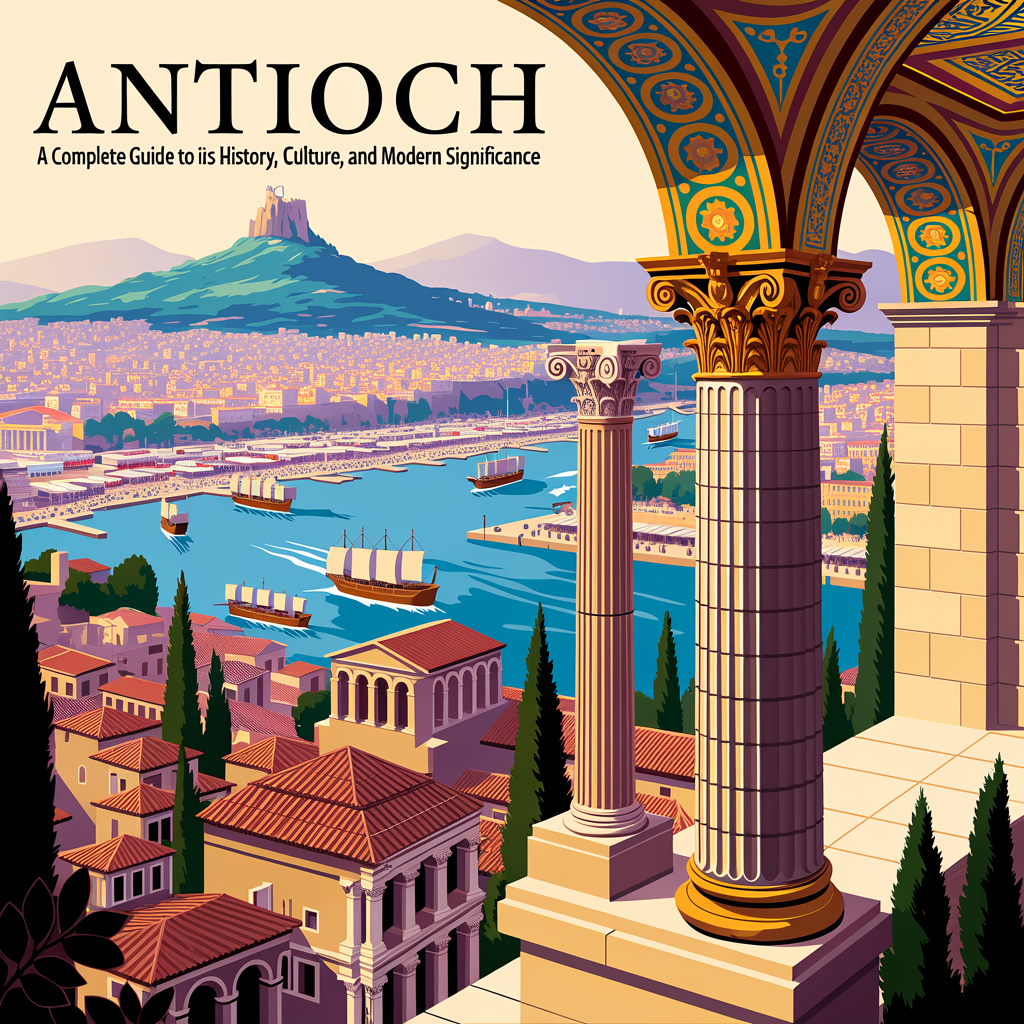
Antioch: A Complete Guide to Its History, Culture, and Modern Significance
Published
2 weeks agoon
July 7, 2026
Table of Contents
ToggleAntioch is one of the most famous cities in world history, recognized for its remarkable cultural heritage, religious importance, and influence on ancient civilizations. Founded during the Hellenistic period, Antioch became one of the greatest cities of the ancient world and served as a center of commerce, politics, education, and religion. Today, its historical legacy continues to attract historians, archaeologists, students, and travelers from across the globe. Whether someone is researching biblical history, ancient architecture, or the rise of early Christianity, Antioch remains a fascinating subject that offers countless stories and discoveries. Understanding Antioch provides valuable insight into how civilizations developed, interacted, and shaped the modern world.
The History of Antioch
The history of Antioch dates back to approximately 300 BCE when it was established by Seleucus I Nicator, one of Alexander the Great’s generals. Strategically positioned near important trade routes, Antioch quickly grew into one of the largest and wealthiest cities of the ancient Mediterranean. It served as the capital of the Seleucid Empire before later becoming an essential city within the Roman Empire. Merchants, scholars, artists, and travelers from various cultures gathered in Antioch, creating a vibrant and diverse society that contributed significantly to advancements in commerce, philosophy, architecture, and education.
Throughout the centuries, Antioch experienced periods of prosperity as well as challenges such as invasions, earthquakes, and political conflicts. Despite these hardships, the city maintained its influence for hundreds of years because of its strategic location and economic importance. Today, historians continue to study Antioch to better understand the development of ancient civilizations and their lasting impact on modern society.
Antioch’s Religious Importance
One of the most significant aspects of Antioch is its role in religious history. It became one of the earliest centers of Christianity after the resurrection of Jesus Christ. According to Christian tradition, the followers of Jesus were first called “Christians” in Antioch, making the city especially meaningful to believers around the world. The city became a base for missionary work, theological discussions, and the spread of Christian teachings throughout the Roman Empire.
Antioch also played an important role in the organization of the early Church. Numerous religious leaders visited the city, helping establish churches and strengthen Christian communities. Because of its diverse population, Antioch became a meeting place where different cultures and religious ideas interacted, shaping Christian theology and practice in significant ways.
Culture and Society in Antioch
Ancient Antioch was known for its multicultural population, where Greeks, Romans, Jews, Syrians, and many other ethnic groups lived together. This diversity enriched the city’s traditions, cuisine, architecture, language, and artistic achievements. Public theaters, marketplaces, temples, baths, and libraries reflected the city’s prosperity and commitment to education and culture.
The city’s festivals, public celebrations, and artistic performances attracted visitors from distant regions. Antioch became renowned for its luxurious lifestyle while also serving as an intellectual center where scholars exchanged ideas that influenced literature, science, and philosophy across the ancient world.
Architecture and Landmarks
Antioch featured remarkable architecture that demonstrated the engineering skills of ancient civilizations. Wide streets lined with marble columns, magnificent public buildings, aqueducts, temples, and impressive city walls made Antioch one of the most beautiful cities of its time. Roman engineering introduced sophisticated infrastructure, including advanced water systems and public baths that improved urban living.
Many archaeological discoveries continue to reveal intricate mosaics, sculptures, coins, and historical artifacts that provide valuable information about everyday life in ancient Antioch. These findings help preserve the city’s legacy for future generations.
Antioch’s Influence on World History
The influence of Antioch extends far beyond its geographical boundaries. As a major commercial center connecting Europe, Asia, and the Middle East, Antioch facilitated international trade and cultural exchange. Goods such as silk, spices, precious metals, and textiles moved through the city, strengthening economic relationships between civilizations.
Its intellectual and religious contributions also left a lasting mark on history. Philosophers, religious leaders, and scholars used Antioch as a platform for exchanging ideas that influenced future generations. The city’s importance in both secular and religious history makes it one of the most studied ancient cities in the world.
Why Antioch Still Matters Today
Even today, Antioch continues to inspire historians, archaeologists, educators, and travelers. Museums, archaeological sites, and historical research preserve its remarkable story. Students studying ancient civilizations frequently encounter Antioch because of its contributions to politics, religion, commerce, and culture.
For travelers interested in history, Antioch offers a unique opportunity to connect with the ancient world. Exploring its historical sites provides a deeper appreciation for the achievements of past civilizations and their influence on today’s society.
Conclusion
Antioch remains one of history’s most influential cities because of its extraordinary contributions to civilization, religion, culture, and international trade. From its foundation during the Hellenistic era to its prominence under Roman rule and its central role in the growth of early Christianity, Antioch has left an enduring legacy that continues to shape historical and religious studies. Its impressive architecture, multicultural society, and strategic location transformed it into a thriving center of knowledge and commerce. Learning about Antioch is not only a journey through the past but also an opportunity to understand the foundations of many aspects of the modern world. Whether your interest lies in history, travel, archaeology, or religion, Antioch remains a fascinating destination for study and exploration.
Frequently Asked Questions (FAQ)
1. What is Antioch famous for?
Antioch is famous for its ancient history, its role as a major Roman city, and its importance in the early development of Christianity.
2. Where was ancient Antioch located?
Ancient Antioch was located near the Orontes River in what is now southern Türkiye.
3. Why is Antioch important in Christianity?
Antioch is traditionally recognized as the place where the followers of Jesus were first called Christians and served as an important center for early missionary work.
4. Who founded Antioch?
Antioch was founded around 300 BCE by Seleucus I Nicator, one of Alexander the Great’s generals.
5. Why did Antioch become a major city?
Its strategic location on important trade routes, strong economy, cultural diversity, and political significance helped it become one of the greatest cities of the ancient world.
6. Can people visit Antioch today?
Yes. The ancient city corresponds to the modern city of Antakya, where visitors can explore archaeological sites, museums, and historical landmarks connected to ancient Antioch.
Trending
information1 week agoJustin Billingsley Greene Law: Leadership, Legal Innovation, and Professional Excellence
Sports2 weeks agoBasketball Random.GitHub: The Ultimate Guide
Tech3 weeks agoAmber the Colour: Meaning, Symbolism, History, Psychology, and Modern Uses
Entertainment2 weeks agoBasket Random GitHub IO: The Complete Guide to Playing the Fun Physics Basketball Game
Artist3 weeks agoThings to Paint: The Ultimate Guide to Creative Painting Ideas for Every Artist
Fashion2 weeks agoCorduroy: The Complete Guide to History, Types, Uses, Benefits, Care, and Modern Fashion
site kit3 weeks agoGreeting Card for Birthday: Creative Ideas, Heartfelt Messages, and Complete Guide
Tech3 weeks agoQuantity Button HTML: Complete Guide with CSS and JavaScript