food
Malbec Wine: The Complete Guide to History, Flavor, Food Pairings, and Benefits

Published
4 months agoon
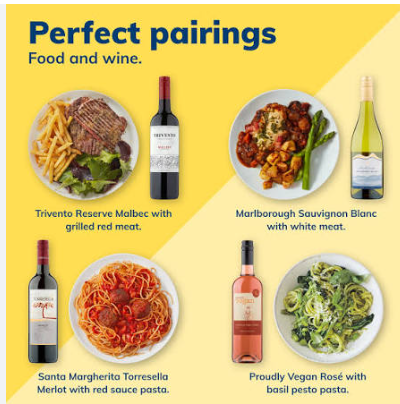
Table of Contents
Toggle
Malbec wine has become one of the world’s most admired red wines because of its rich flavors, smooth texture, and exceptional versatility. Although the grape originally gained recognition in France, Argentina transformed Malbec into an international favorite by producing wines that showcase bold fruit flavors, balanced tannins, and remarkable depth. Whether you are completely new to wine or already enjoy exploring different grape varieties, understanding Malbec helps you appreciate why it continues to grow in popularity among wine lovers worldwide.
This complete guide explains everything about Malbec wine, including its fascinating history, growing regions, flavor profile, food pairings, production methods, nutritional information, serving recommendations, and buying tips. By the end of this article, you will understand what makes Malbec unique and how to choose the perfect bottle for any occasion.
What Is Malbec Wine?
Malbec is a dark-skinned grape variety used to produce full-bodied red wine. It belongs to the family of classic French grape varieties but has become most closely associated with Argentina, where ideal growing conditions allow the grapes to develop exceptional color, concentration, and flavor. Malbec wines are typically dry and display generous aromas of blackberry, plum, cherry, violet, cocoa, vanilla, tobacco, and spice. Their moderate acidity and velvety tannins create a smooth drinking experience that appeals to both beginners and experienced wine enthusiasts.
Unlike lighter red wines, Malbec generally offers a richer mouthfeel, making it an excellent choice for hearty meals and special occasions. Depending on where the grapes are grown and how the wine is aged, the final flavor profile may range from bright and fruity to deeply complex with notes of chocolate, leather, and oak.
History of Malbec
The Malbec grape originated in southwestern France, particularly around the Cahors region, where it has been cultivated for centuries. Historically, it was known as one of the six permitted grapes in Bordeaux blends. However, severe frost during the twentieth century significantly reduced Malbec plantings in France.
Argentina became the new home of Malbec after French agricultural expert Michel Aimé Pouget introduced the grape to the country in the nineteenth century. The high-altitude vineyards of Mendoza proved ideal for cultivating Malbec, producing grapes with intense color, ripe fruit flavors, and balanced acidity. Today, Argentina is recognized as the world’s leading producer of premium Malbec wines, exporting millions of bottles annually.
How Malbec Is Grown
Malbec grapes thrive in sunny climates with cool nights that allow slow, even ripening. Vineyards located at higher elevations often produce grapes with greater concentration, richer aromas, and better acidity. Careful vineyard management, controlled irrigation, and selective harvesting ensure only the highest-quality grapes reach the winery.
After harvesting, grapes undergo fermentation before aging in stainless steel tanks or oak barrels. Oak aging adds flavors such as vanilla, mocha, cedar, and spice while softening the wine’s tannins.
Argentine Malbec vs French Malbec
Argentine Malbec is generally fruit-forward, smooth, and approachable, featuring ripe blackberry, plum, and chocolate flavors. The warmer climate produces wines with softer tannins and generous body.
French Malbec, particularly from Cahors, is more structured and earthy. These wines often display firmer tannins, higher acidity, mineral notes, and flavors of black fruit, herbs, and spice. They typically benefit from additional aging before reaching their full potential.
Best Food Pairings for Malbec
Malbec pairs exceptionally well with rich, savory dishes because its bold fruit flavors and balanced tannins complement hearty ingredients without overwhelming them. Grilled steak remains the classic pairing, especially Argentine-style beef cooked over an open flame. Lamb, roasted duck, barbecue ribs, burgers, and slow-cooked beef stews also highlight the wine’s complexity.
Vegetarian dishes such as grilled portobello mushrooms, roasted eggplant, lentil stew, and aged cheeses provide equally satisfying combinations. Dark chocolate desserts can also complement oak-aged Malbec by emphasizing its cocoa and vanilla notes.
Health Benefits of Malbec Wine
When consumed responsibly, Malbec contains naturally occurring antioxidants such as polyphenols and resveratrol, compounds that may help protect cells from oxidative stress and support cardiovascular health. Moderate red wine consumption has also been associated with increased levels of beneficial HDL cholesterol in some studies. However, these potential benefits should never be considered a reason to begin drinking alcohol, and excessive consumption increases health risks. Maintaining moderation remains the most important factor.
How to Serve Malbec
Serving temperature greatly affects the wine’s aroma and flavor. Malbec is best served between 60°F and 65°F (16°C to 18°C). Decanting younger wines for approximately 30 to 60 minutes helps soften tannins while allowing aromas to fully develop. Large red wine glasses further enhance the tasting experience by providing sufficient space for aeration.
How to Choose the Best Malbec
Selecting a quality Malbec depends on personal preference and budget. Argentine bottles from Mendoza often offer excellent value, combining ripe fruit flavors with balanced structure. Premium wines aged in oak barrels deliver greater complexity, while younger expressions emphasize fresh fruit characteristics. Reading tasting notes, checking vintage quality, and considering food pairings can help buyers choose a bottle that suits the occasion.
Conclusion
Malbec has earned its place among the world’s finest red wines through its remarkable balance of bold fruit, smooth tannins, and exceptional versatility. From its French origins to its global success in Argentina, this grape continues to captivate wine enthusiasts with its rich history and unforgettable flavors. Whether paired with grilled meats, aged cheeses, or enjoyed on its own, Malbec offers an approachable yet sophisticated experience that appeals to a wide range of wine lovers. Exploring different regions and styles allows every enthusiast to discover the unique expressions that make Malbec one of the most rewarding red wines available today.
Frequently Asked Questions (FAQs)
1. What is Malbec wine?
Malbec is a full-bodied dry red wine made from the Malbec grape, known for flavors of blackberry, plum, cocoa, and spice.
2. Is Malbec sweet or dry?
Most Malbec wines are dry, although their ripe fruit flavors may create the impression of sweetness.
3. Where is the best Malbec produced?
Argentina, particularly the Mendoza region, is widely regarded as the leading producer of premium Malbec wines.
4. What foods pair best with Malbec?
Malbec pairs beautifully with steak, lamb, barbecue, burgers, mushrooms, aged cheeses, and dark chocolate.
5. Should Malbec be chilled?
Yes. Serve Malbec slightly below room temperature, around 16–18°C (60–65°F), for the best flavor and aroma.
6. Can Malbec age well?
High-quality Malbec can age for 5–15 years or longer, developing more complex flavors over time.
7. What makes Malbec different from Cabernet Sauvignon?
Malbec generally has softer tannins, richer plum and blackberry flavors, and a smoother texture, while Cabernet Sauvignon is often more tannic and herbaceous.
8. Is Malbec good for beginners?
Yes. Its smooth texture, rich fruit flavors, and balanced structure make Malbec an excellent choice for people who are new to red wine.
You may like
food
Pine Kernels and Pine Nuts: Benefits, Nutrition, Uses, Buying Guide, and Everything You Need to Know
Published
4 months agoon
July 9, 2026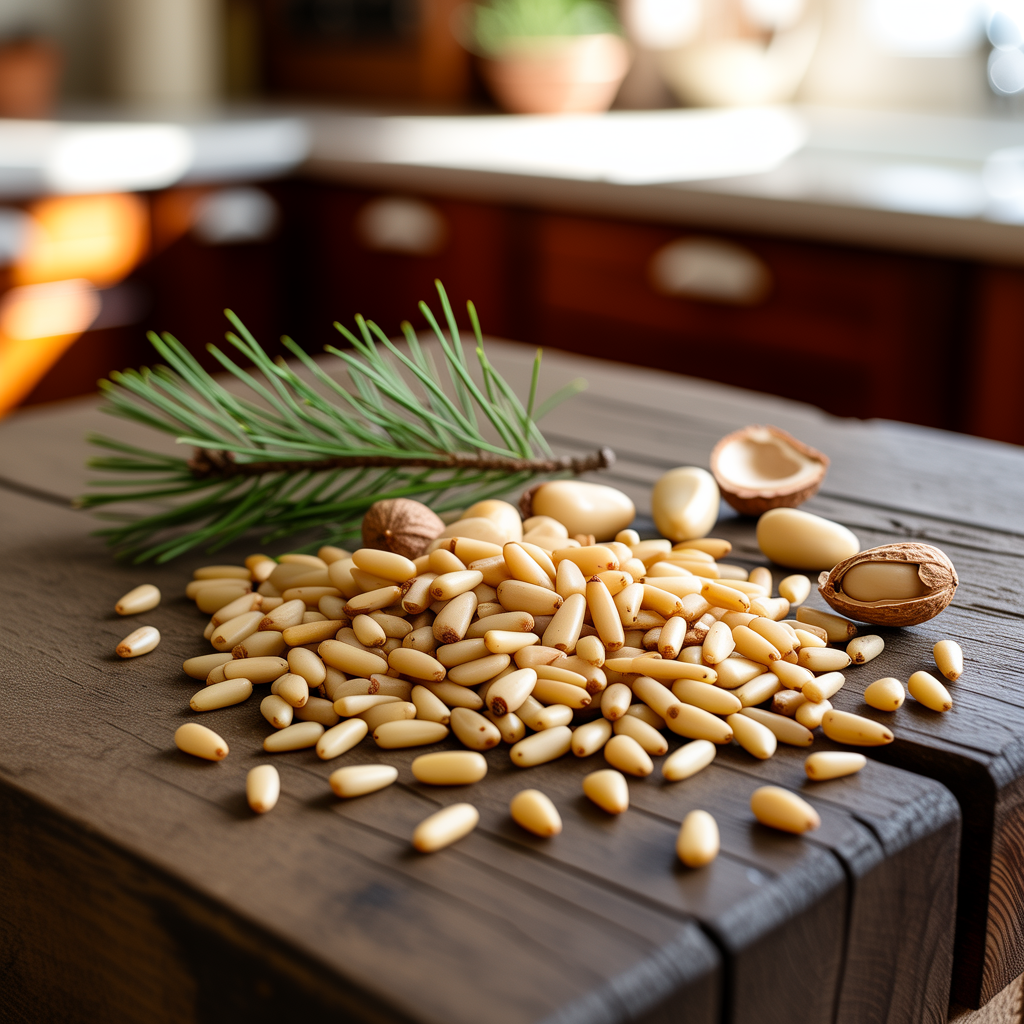
Table of Contents
TogglePine kernels and pine nuts are among the world’s oldest edible seeds and have been enjoyed for thousands of years across Europe, Asia, and the Middle East. Harvested from specific species of pine cones, these small, ivory-colored seeds are prized for their delicate buttery flavor, soft texture, and exceptional nutritional value. Although many people use the terms “pine kernels” and “pine nuts” interchangeably, they refer to the same edible seed. Today, pine nuts are a premium ingredient in everything from pesto and salads to baked goods and gourmet dishes. They are also recognized as a nutrient-dense food rich in healthy fats, protein, vitamins, minerals, and antioxidants that support overall wellness.
Whether you are looking to improve your diet, experiment with new recipes, or understand why pine nuts are considered one of the healthiest edible seeds, this guide provides detailed information on their benefits, nutritional profile, culinary applications, storage methods, and buying tips. By the end, you will have a complete understanding of why pine kernels deserve a place in your pantry.
What Are Pine Kernels and Pine Nuts?
Pine kernels, commonly known as pine nuts, are the edible seeds found inside the cones of certain pine tree species. Although there are more than one hundred species of pine trees worldwide, only a relatively small number produce seeds that are large enough to harvest commercially. After the cones mature, they are collected, dried, and opened to extract the seeds. The hard outer shell surrounding each seed is then removed, revealing the creamy-white kernel sold in grocery stores.
These seeds have been an important food source in many cultures for centuries. Mediterranean cuisine features pine nuts in sauces and salads, while Middle Eastern dishes incorporate them into rice and meat recipes. Asian cuisines also use pine kernels in soups, desserts, and herbal preparations. Their versatility and distinctive flavor make them a favorite ingredient among professional chefs and home cooks alike.
Nutritional Value of Pine Kernels and Pine Nuts
Pine kernels are nutrient-rich despite their small size. They contain a balanced combination of healthy fats, plant protein, dietary fiber, vitamins, and essential minerals. One serving provides significant amounts of vitamin E, vitamin K, magnesium, zinc, phosphorus, iron, and manganese. They are especially valued for their heart-friendly monounsaturated fats, which are similar to those found in olive oil.
In addition to healthy fats, pine nuts supply antioxidants that help protect cells from oxidative stress. Their protein and fiber content contributes to satiety, making them an excellent snack for individuals seeking balanced nutrition. Because they contain relatively few carbohydrates, pine kernels are also suitable for many low-carbohydrate eating plans.
Health Benefits of Pine Kernels and Pine Nuts
Adding pine kernels to a balanced diet may provide numerous health benefits. Their healthy fats support cardiovascular health by helping maintain healthy cholesterol levels when consumed as part of an overall nutritious diet. Magnesium contributes to normal muscle and nerve function, while vitamin E helps protect cells from oxidative damage. These nutrients work together to support overall wellness.
Pine nuts are also a good source of plant-based protein, making them an excellent addition to vegetarian and vegan diets. Their combination of protein, fiber, and healthy fats promotes fullness, which may help with weight management by reducing hunger between meals. The antioxidants found in pine kernels support healthy aging by helping reduce oxidative stress.
Minerals such as zinc and iron contribute to immune function and oxygen transport throughout the body. Manganese plays an important role in metabolism and bone health, while phosphorus supports healthy bones and teeth. Including pine kernels in meals can therefore contribute to a nutrient-rich dietary pattern.
Culinary Uses of Pine Kernels and Pine Nuts
Pine kernels are prized in kitchens around the world because of their mild, buttery flavor and versatility. One of the most famous uses is in traditional pesto, where pine nuts are blended with fresh basil, garlic, Parmesan cheese, olive oil, and seasonings to create a flavorful sauce for pasta and sandwiches.
They are also widely used as a topping for salads, roasted vegetables, grain bowls, and soups, where they add both texture and richness. Toasting pine nuts before use enhances their aroma and creates a deeper nutty flavor that complements both savory and sweet recipes. Bakers often add them to cookies, cakes, biscotti, and artisan breads, while Mediterranean and Middle Eastern cuisines use them in stuffed vegetables, pilafs, and meat dishes.
Their versatility extends to breakfast as well. Pine kernels can be sprinkled over oatmeal, yogurt, smoothie bowls, and fresh fruit to add extra nutrition and crunch.
How to Buy High-Quality Pine Kernels
Because pine nuts are relatively expensive, selecting high-quality products is important. Fresh pine kernels should have a creamy white or pale ivory color with a pleasant nutty aroma. Avoid products that appear yellow, excessively dry, or have a sour smell, as these may indicate spoilage.
Purchasing from reputable brands with clear packaging dates helps ensure freshness. If buying in bulk, inspect the seeds carefully for signs of moisture, mold, or discoloration. Organic varieties are also available for consumers seeking products grown without synthetic pesticides.
Proper Storage Tips
Due to their high oil content, pine kernels can become rancid if stored improperly. Keep them in airtight containers away from heat, moisture, and sunlight. Refrigeration extends freshness for several months, while freezing can preserve quality for even longer.
Always allow refrigerated or frozen pine nuts to reach room temperature before using them in recipes. Proper storage helps preserve their delicate flavor and nutritional value.
Pine Kernels vs Other Nuts
Compared with almonds, walnuts, and cashews, pine kernels are softer, creamier, and naturally sweeter. They contain a higher proportion of healthy monounsaturated fats and offer a unique nutrient profile rich in manganese and magnesium. Although more expensive than many other nuts due to the labor-intensive harvesting process, their distinctive taste and versatility justify their premium status for many consumers.
Why Pine Kernels Are Considered a Superfood
Many nutrition experts consider pine kernels a nutrient-dense food because they provide substantial vitamins, minerals, healthy fats, and antioxidants in a relatively small serving. While no single food can guarantee perfect health, incorporating pine nuts into a balanced diet may support heart health, energy production, immune function, and overall nutrition.
Conclusion
Pine kernels and pine nuts are the same delicious edible seed harvested from selected pine tree species. Their rich nutritional profile, buttery flavor, and remarkable versatility make them one of the most valuable ingredients in both everyday cooking and gourmet cuisine. Whether enjoyed in pesto, salads, baked goods, or as a wholesome snack, pine kernels provide healthy fats, plant protein, essential minerals, and antioxidants that contribute to a balanced diet. Choosing fresh, high-quality pine nuts and storing them correctly ensures the best flavor and longest shelf life. By adding these nutrient-rich seeds to your meals, you can enjoy both exceptional taste and meaningful nutritional benefits.
Frequently Asked Questions (FAQ)
1. Are pine kernels and pine nuts the same?
Yes. The terms “pine kernels” and “pine nuts” refer to the same edible seeds harvested from certain pine tree species.
2. Are pine nuts healthy?
Yes. They provide healthy fats, protein, fiber, vitamin E, magnesium, manganese, zinc, iron, and antioxidants.
3. Can pine nuts be eaten raw?
Yes. They can be eaten raw, but lightly toasting them enhances their flavor and aroma.
4. What do pine nuts taste like?
They have a mild, buttery, slightly sweet, and delicate nutty flavor.
5. How should pine nuts be stored?
Store them in an airtight container in the refrigerator or freezer to help maintain freshness and prevent the oils from becoming rancid.
6. Why are pine nuts expensive?
Harvesting pine nuts is labor-intensive because the seeds must be extracted from pine cones, making production slower and more costly than many other nuts.
7. Are pine nuts good for weight management?
Their combination of healthy fats, protein, and fiber can help increase fullness as part of a balanced diet.
8. Can people with nut allergies eat pine nuts?
Pine nuts are seeds rather than true tree nuts, but allergic reactions are still possible. Anyone with food allergies should consult a healthcare professional before eating them.
9. What recipes commonly use pine nuts?
Popular recipes include pesto, salads, pasta dishes, rice pilafs, roasted vegetables, cookies, cakes, and artisan breads.
10. How long do pine nuts last?
At room temperature they keep for a short period, while refrigeration typically preserves them for several months and freezing can extend their shelf life further when stored in airtight containers.
food
Emmental Cheese: The Complete Guide to Switzerland’s Famous Cheese
Published
4 months agoon
July 9, 2026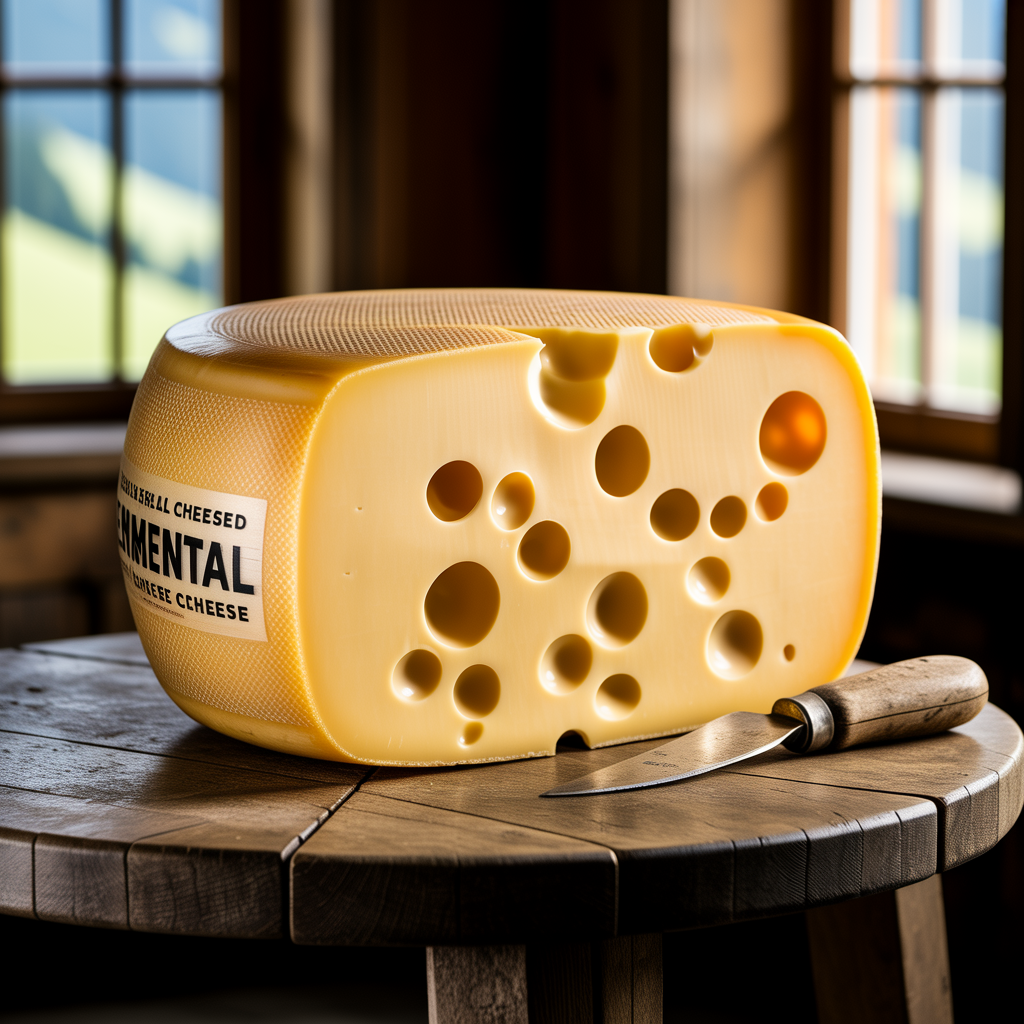
Table of Contents
Toggle
Emmental Cheese: The Complete Guide to Switzerland’s Famous. Originating in Switzerland’s Emmental Valley centuries ago, this famous cheese has become a staple in kitchens across the globe. Whether enjoyed on a sandwich, melted into a fondue, paired with fruit on a cheese board, or incorporated into gourmet recipes, Emmental cheese delivers a rich yet balanced taste that appeals to both casual eaters and cheese enthusiasts. Beyond its delicious flavor, it is also valued for its impressive nutritional profile, providing protein, calcium, phosphorus, and essential vitamins that support overall health. Understanding how Emmental cheese is made, how to use it in cooking, and what distinguishes authentic Swiss Emmental from similar cheeses can help consumers make informed purchasing decisions while enjoying one of Europe’s finest dairy products.
What Is Emmental Cheese?
Emmental cheese is a traditional Swiss cheese produced primarily from cow’s milk. It originated in the Emmental region of Switzerland, where skilled cheesemakers perfected its production over hundreds of years. The cheese is easily recognized by its large round holes, often called “eyes,” which develop naturally during the aging process when beneficial bacteria release carbon dioxide inside the cheese. These holes are a hallmark of authentic Emmental and contribute to its unique appearance. The flavor is mild, buttery, slightly sweet, and pleasantly nutty, becoming richer and more complex as the cheese ages. Young Emmental is smooth and creamy, while aged varieties develop a firmer texture and a deeper, more pronounced flavor that cheese lovers appreciate.
The History of Emmental Cheese
The history of Emmental cheese dates back to the 13th century in Switzerland’s lush Emmental Valley. Farmers with access to abundant fresh milk created large wheels of cheese that could be stored for long periods, allowing communities to preserve dairy throughout the year. Over time, traditional methods were refined, and Emmental became one of Switzerland’s most celebrated exports. Today, authentic Swiss Emmental continues to follow strict production standards that protect its quality and heritage while preserving the craftsmanship that has defined this cheese for generations.
How Emmental Cheese Is Made
Producing Emmental cheese begins with fresh, high-quality cow’s milk collected from healthy dairy cattle. Natural starter cultures and rennet are added to coagulate the milk into curds. The curds are cut, gently heated, pressed into large wheels, and immersed in a salt brine to enhance flavor and preserve freshness. During aging, special bacteria convert lactic acid into carbon dioxide, creating the iconic holes inside the cheese. The aging process typically lasts several months, although premium varieties may mature much longer to develop richer flavors, firmer textures, and more complex aromas. The result is a cheese that balances sweetness, nuttiness, and creaminess with exceptional melting qualities.
Taste and Texture
One of the reasons Emmental cheese remains so popular is its approachable flavor profile. It offers a delicate balance of buttery richness, subtle sweetness, and gentle nuttiness without overwhelming the palate. Its smooth texture makes it easy to slice, shred, or melt, making it suitable for countless dishes. As the cheese ages, its taste becomes more intense, introducing deeper nutty notes while maintaining the creamy characteristics that define authentic Emmental.
Nutritional Value of Emmental Cheese
Emmental cheese is not only flavorful but also nutrient-dense. It is an excellent source of high-quality protein, which supports muscle growth and tissue repair. Rich amounts of calcium and phosphorus contribute to strong bones and healthy teeth, while vitamins such as B12 support energy production and nervous system function. Because it contains healthy fats, Emmental also provides long-lasting energy and helps absorb fat-soluble vitamins. Like many cheeses, it should be enjoyed in moderation due to its calorie and sodium content, but it can be part of a balanced diet when consumed sensibly.
Health Benefits of Emmental Cheese
Including Emmental cheese in a balanced diet may provide several nutritional advantages. Its protein promotes satiety and muscle maintenance, while calcium and phosphorus strengthen bones throughout life. Vitamin B12 supports red blood cell formation and brain function, and healthy fats contribute to sustained energy. Fermented dairy products like Emmental may also support digestive health through beneficial bacterial cultures developed during production. When paired with fruits, vegetables, and whole grains, Emmental can complement a nutritious eating pattern.
How to Use Emmental Cheese
Emmental cheese is incredibly versatile in the kitchen because it melts smoothly without becoming oily. It is a classic ingredient in Swiss fondue and French onion soup, adding richness and creaminess to both dishes. It also works beautifully in grilled sandwiches, burgers, casseroles, quiches, pasta bakes, omelets, pizzas, and creamy sauces. On a cheese board, Emmental pairs well with grapes, apples, pears, dried fruits, roasted nuts, crusty bread, and cured meats, making it suitable for entertaining as well as everyday meals.
Emmental Cheese vs Swiss Cheese
Many people use the terms “Swiss cheese” and “Emmental cheese” interchangeably, but they are not exactly the same. Authentic Emmental is a specific cheese originating from Switzerland’s Emmental Valley and produced according to traditional methods. Swiss cheese, particularly outside Europe, often refers to cheeses inspired by Emmental but manufactured in different countries using modified production techniques. Although these cheeses share similar appearances, authentic Emmental generally offers a more refined flavor, richer aroma, and stronger connection to Swiss cheesemaking traditions.
Buying and Storing Emmental Cheese
When purchasing Emmental cheese, choose pieces with a firm texture, creamy-yellow color, and a pleasant nutty aroma. High-quality cheese should be free from excessive dryness or cracking. Store Emmental in the refrigerator wrapped in cheese paper or parchment followed by a loose layer of plastic wrap to allow slight airflow while preventing moisture loss. Proper storage helps preserve freshness, flavor, and texture for several weeks.
Conclusion
Emmental cheese has earned its reputation as one of the world’s finest cheeses through centuries of Swiss craftsmanship, exceptional flavor, and remarkable versatility. Its signature holes, creamy texture, mild nutty taste, and excellent melting qualities make it an outstanding choice for everyday cooking, elegant cheese boards, and classic European recipes. In addition to its culinary appeal, Emmental provides valuable nutrients such as protein, calcium, phosphorus, and vitamin B12, making it a nutritious addition to a balanced diet. Whether you are discovering Emmental for the first time or already enjoy its rich flavor, this iconic Swiss cheese continues to offer an unforgettable combination of tradition, quality, and taste that has delighted people around the world for generations.
Frequently Asked Questions (FAQ)
1. What is Emmental cheese?
Emmental cheese is a traditional Swiss cow’s milk cheese known for its large holes, mild nutty flavor, and excellent melting qualities.
2. Why does Emmental cheese have holes?
The holes form naturally when beneficial bacteria produce carbon dioxide during the aging process.
3. Is Emmental cheese healthy?
Yes. It is rich in protein, calcium, phosphorus, and vitamin B12, although it should be eaten in moderation because it also contains fat and sodium.
4. What does Emmental cheese taste like?
It has a mild, buttery, slightly sweet, and nutty flavor that becomes richer as it ages.
5. Can Emmental cheese be used for cooking?
Yes. It is excellent for fondue, sandwiches, pasta, casseroles, soups, quiches, pizzas, and sauces because it melts smoothly.
6. Is Emmental the same as Swiss cheese?
Not exactly. Emmental is an authentic Swiss cheese, while “Swiss cheese” often refers to similar cheeses produced in other countries.
7. How should Emmental cheese be stored?
Keep it refrigerated, wrapped in cheese paper or parchment with a loose outer wrap, to maintain freshness and flavor.
8. What foods pair well with Emmental cheese?
It pairs wonderfully with fresh fruit, nuts, crackers, crusty bread, cured meats, and white wine, making it an excellent choice for cheese platters and gourmet meals.


Trending
 information4 months ago
Justin Billingsley Greene Law: Leadership, Legal Innovation, and Professional Excellence
- study4 months ago
çievri: The Complete Guide for Beginners and Professionals
- Sports4 months ago
Basketball Random.GitHub: The Ultimate Guide
- Tech4 months ago
Amber the Colour: Meaning, Symbolism, History, Psychology, and Modern Uses
- Fashion4 months ago
Corduroy: The Complete Guide to History, Types, Uses, Benefits, Care, and Modern Fashion
- Entertainment4 months ago
Basket Random GitHub IO: The Complete Guide to Playing the Fun Physics Basketball Game
- Fashion4 months ago
What Is a Chemise? Complete Guide to Styles, History, and Modern Uses
- Entertainment4 months ago
Buckner Mansion: The Complete History, Architecture, and Visitor Guide