
food
Ice Cream: A Complete Guide to Flavors, Types, Ingredients, and Homemade Recipes


Ice cream is one of the world’s most loved frozen desserts, enjoyed by children and adults in almost every part of the world. Its creamy texture, refreshing temperature, and wide variety of flavors make it a popular treat during summer and throughout the year. From classic vanilla and chocolate to fruity, nutty, and creative combinations, there is an option for almost every taste.
People enjoy ice cream in different ways, including cones, cups, sandwiches, milkshakes, and desserts served with cakes or brownies. Some prefer buying it from their favorite ice cream shops, while others enjoy preparing fresh batches at home. Understanding its ingredients, varieties, and preparation methods can help you choose or make a delicious frozen dessert.
What Is Ice Cream?
Ice cream is a frozen dessert traditionally made from a mixture of milk or cream, sugar, and flavoring ingredients. The mixture is frozen while being stirred or churned, which helps create a smooth texture by incorporating air and limiting the formation of large ice crystals. Depending on the recipe, it may also contain egg yolks, stabilizers, or other ingredients.
Commercial ice cream is available in many styles, textures, and fat levels. Traditional dairy versions use milk and cream, while some alternatives are made with coconut milk, oat milk, almond milk, or other plant-based ingredients. This variety makes it easier for people with different dietary preferences to find a suitable frozen treat.
Popular Ice Cream Flavors You Should Try
One of the best things about ice cream is its variety of flavors. Traditional options remain popular because they offer familiar tastes, while modern recipes combine ingredients to create new experiences. Whether you enjoy simple desserts or rich combinations, exploring different flavors can make every serving more interesting.
Here are some popular choices:
Vanilla Ice Cream: A classic flavor with a smooth, creamy taste that pairs well with cakes, fruit, and chocolate sauce.
Chocolate Ice Cream: A rich option made with cocoa or chocolate, ideal for people who enjoy deep chocolate flavors.
Strawberry Ice Cream: A fruity dessert that often combines strawberries, milk, and cream for a refreshing taste.
Mango Ice Cream: A tropical favorite made with mango pulp or fresh mangoes, especially enjoyable during warm weather.
Pistachio Ice Cream: Known for its nutty flavor and distinctive color, this variety is popular among people who enjoy rich desserts.
Cookies and Cream: A combination of creamy ice cream and crunchy cookie pieces that creates an enjoyable contrast.
Butterscotch Ice Cream: A sweet flavor often featuring caramel-like notes and crunchy nut pieces.
Main Ingredients Used in Ice Cream
The ingredients used in ice cream have a major influence on its taste, texture, and overall quality. Milk and cream provide the dairy base, while sugar adds sweetness and helps control how firmly the mixture freezes. Flavoring ingredients such as vanilla extract, cocoa powder, fruit pulp, and nuts create different varieties.
Some recipes also include egg yolks to produce a richer custard-style base. Stabilizers and emulsifiers may be used in commercial products to improve consistency and help maintain texture during storage. The exact ingredients vary depending on the recipe, manufacturing method, and type of ice cream.
Different Types of Ice Cream
Ice cream comes in several varieties, and each type has its own ingredients and preparation style. Traditional dairy ice cream is made with milk or cream, while other frozen desserts use different bases or preparation techniques. Knowing the differences can help you choose the right option for your taste and dietary needs.
Traditional Ice Cream: Usually made with milk, cream, sugar, and flavorings, then churned while freezing.
Soft Serve: A softer frozen dessert served directly from a dispensing machine, often with a lighter texture.
Gelato: An Italian-style frozen dessert generally served slightly warmer than conventional ice cream, with a dense, smooth texture.
Dairy-Free Ice Cream: Made with plant-based ingredients such as coconut, soy, oat, or almond milk.
Frozen Yogurt: A frozen dessert made with yogurt or cultured dairy ingredients. Its taste and nutritional profile vary by recipe.
Ice Cream Sandwich: A serving of ice cream placed between biscuits, cookies, or wafers.
How to Make Homemade Ice Cream
Making homemade ice cream is a fun way to enjoy a fresh dessert and experiment with different flavors. You do not always need an expensive ice cream machine, because a simple no-churn recipe can produce a creamy result with only a few ingredients. The following vanilla recipe is a convenient starting point for beginners.
Ingredients:
2 cups cold heavy whipping cream
1 can (about 395 g) sweetened condensed milk
1 teaspoon vanilla extract
A small pinch of salt (optional)
Step-by-step preparation:
Prepare the cream: Pour the cold whipping cream into a large mixing bowl. Beat it with an electric mixer until soft to medium peaks form, taking care not to overwhip it.
Mix the base: In another bowl, combine the sweetened condensed milk, vanilla extract, and optional salt. Stir until the mixture is smooth and evenly combined.
Combine carefully: Fold the whipped cream into the condensed milk mixture in several additions. Use a gentle folding motion to keep as much air in the mixture as possible.
Transfer and freeze: Pour the mixture into a freezer-safe container and smooth the top. Cover it tightly and freeze for at least six hours, or until it becomes firm enough to scoop.
Serve and enjoy: Allow the container to stand briefly at room temperature if the ice cream is too firm. Serve in bowls or cones with your favorite toppings.
This recipe creates a simple vanilla base that you can customize with chocolate chips, crushed cookies, fruit pieces, or chopped nuts. Add delicate ingredients toward the end of mixing so they remain evenly distributed. Keep the finished ice cream covered in the freezer to help protect its texture and flavor.
Creative Toppings and Ways to Serve Ice Cream
Toppings can turn an ordinary scoop of ice cream into a more exciting dessert. Some people enjoy simple additions such as chocolate syrup, chopped nuts, or fresh fruit, while others prefer combinations with cookies, brownies, and crunchy wafers. Choosing toppings with different textures can make each serving more enjoyable.
Here are some easy serving ideas:
Chocolate sauce and nuts: Add chocolate syrup with crushed almonds or peanuts for a crunchy finish.
Fresh fruit: Combine vanilla ice cream with strawberries, bananas, mangoes, or berries.
Brownie sundae: Serve chocolate ice cream with warm brownie pieces and a little sauce.
Cookie combination: Add crushed biscuits or chocolate cookies for extra crunch.
Milkshake: Blend ice cream with milk to create a thick, refreshing drink.
Waffle cone: Serve one or two scoops in a crisp cone for a classic treat.
Is Ice Cream Healthy?
Ice cream can be enjoyed as part of a balanced diet, but its nutritional value depends on the ingredients, serving size, and recipe. Many traditional varieties contain added sugar and saturated fat, so eating large portions frequently may contribute more calories and sugar than intended. Checking the nutrition label can help you understand what you are choosing.
People who want to make more mindful choices can compare serving sizes, added sugar, and saturated fat across different products. Fruit-based options or homemade recipes may offer more control over ingredients, although they are not automatically low in sugar or calories. Dairy-free varieties can be useful for some dietary preferences, but they may still contain significant amounts of added sugar or fat.
Tips for Buying and Storing Ice Cream
Choosing good-quality ice cream involves more than selecting your favorite flavor. Check the packaging, ingredient list, and expiration or best-before information before purchasing. Avoid containers that appear damaged or products that show signs of melting and refreezing, such as heavy ice buildup or an unusual texture.
Proper storage is equally important for maintaining quality. Keep ice cream in a freezer at approximately 0°F (-18°C) or colder, and return it to the freezer promptly after serving. Store it in a tightly closed container to reduce exposure to air and help prevent unwanted freezer odors.
Frequently Asked Questions About Ice Cream
1. What are the most popular ice cream flavors?
Some of the most popular flavors include vanilla, chocolate, strawberry, mango, cookies and cream, and pistachio. Their popularity varies by country and personal preference, but these choices are widely recognized.
2. Can I make ice cream without an ice cream machine?
Yes, you can make homemade ice cream without a machine. A no-churn recipe using whipped cream and sweetened condensed milk is a simple option that produces a creamy frozen dessert without specialized equipment.
3. What is the difference between gelato and ice cream?
Gelato is an Italian-style frozen dessert that is generally churned with less air and served at a slightly warmer temperature than conventional ice cream. This often gives it a denser texture and a different eating experience.
4. How long does homemade ice cream take to freeze?
A no-churn homemade ice cream recipe generally needs at least six hours in the freezer to become firm enough to scoop. The exact time depends on the container, freezer temperature, and quantity being prepared.
5. Is dairy-free ice cream available?
Yes, dairy-free ice cream is made using ingredients such as coconut milk, oat milk, almond milk, and soy milk. These options can suit people avoiding dairy, but anyone with food allergies should always check the ingredient and allergen information.
6. What can I add to homemade ice cream?
You can add chocolate chips, crushed cookies, fresh fruit, nuts, caramel, or fruit sauces. Add these ingredients during the final mixing stage so they are distributed throughout the ice cream.
7. Why does homemade ice cream become icy?
Large ice crystals can develop when the mixture freezes slowly or experiences temperature changes during storage. Using an appropriate recipe, keeping the container covered, and maintaining a consistent freezer temperature can help improve its texture.
Conclusion
Ice cream is a delicious frozen dessert that offers countless possibilities for people with different tastes and preferences. From classic vanilla and chocolate to mango, pistachio, and dairy-free varieties, there are many options to explore. It can be enjoyed in a cone, served with other desserts, or prepared at home using simple ingredients.
Making homemade ice cream is also an enjoyable way to experiment with flavors and create something special for family and friends. By choosing suitable ingredients, following proper preparation methods, and storing it correctly, you can enjoy a creamy and refreshing dessert whenever you like. Whether you prefer traditional flavors or creative combinations, ice cream remains a timeless favorite.



Instant Pot recipes have become increasingly popular among home cooks because they make preparing delicious meals easier, faster, and more convenient. Whether you have a busy schedule, want to prepare healthy family dinners, or simply enjoy experimenting with new dishes, an Instant Pot can help simplify your cooking routine. From flavorful chicken and tender beef to creamy soups and perfectly cooked rice, there are countless meals you can prepare using this versatile kitchen appliance.
An Instant Pot combines several cooking functions in one machine, including pressure cooking, slow cooking, steaming, sautéing, and warming. These features allow you to prepare different types of meals without using multiple pots and pans. In this guide, you will discover easy Instant Pot recipes, useful cooking tips, ingredient suggestions, and practical instructions to help you make delicious meals at home.
1. What Is an Instant Pot and Why Is It Popular?
An Instant Pot is a multifunctional electric pressure cooker designed to make everyday cooking more convenient. It uses a sealed cooking environment and controlled pressure to cook many foods faster than traditional stovetop methods. Depending on the model, it may also include functions for steaming, rice cooking, slow cooking, yogurt making, and sautéing.
One reason people enjoy using an Instant Pot is its versatility. Instead of preparing rice in one appliance, cooking meat in another, and making soup in a separate pot, you can complete many cooking tasks using a single machine.
Another advantage is convenience. Once the ingredients and cooking settings are selected, the appliance manages the cooking process automatically. This makes it especially useful for busy families, students, working professionals, and anyone who wants to simplify meal preparation.
2. Easy Instant Pot Chicken Recipes
Chicken is one of the most popular ingredients for Instant Pot cooking because it works well in soups, rice dishes, curries, and complete family meals. Pressure cooking can help chicken become tender while allowing it to absorb the flavors of spices, herbs, and sauces.
Instant Pot Garlic Chicken
Ingredients:
- 2 pounds boneless chicken thighs
- 4 garlic cloves, minced
- 1 tablespoon olive oil
- ½ cup chicken broth
- 1 tablespoon lemon juice
- 1 teaspoon paprika
- Salt and black pepper to taste
Instructions:
- Select the Sauté function and heat the olive oil.
- Add garlic and cook briefly until fragrant.
- Season the chicken with paprika, salt, and pepper.
- Add chicken broth and lemon juice, then place the chicken inside.
- Close the lid and cook on High Pressure for approximately 8–10 minutes, depending on the thickness of the pieces.
- Allow a short natural pressure release before carefully releasing any remaining pressure.
- Check that the thickest part reaches an internal temperature of 165°F (74°C).
This garlic chicken can be served with steamed vegetables, mashed potatoes, or rice. You can also use the cooking liquid to prepare a simple sauce for additional flavor.
Instant Pot Chicken and Rice
Chicken and rice is another convenient meal that combines protein, carbohydrates, and seasonings in one dish. Add chicken pieces, rinsed long-grain white rice, broth, onions, garlic, and your favorite seasonings to the pot. Follow a tested recipe for the correct liquid ratio and cooking time because rice varieties require different amounts of water.
After cooking, allow the pressure to release according to the recipe instructions and gently fluff the rice with a fork. Add fresh parsley, lemon juice, or vegetables to make the dish more flavorful and colorful.
3. Delicious Instant Pot Beef and Meat Recipes
Beef is an excellent choice for pressure cooking because tougher cuts can become tender when cooked under pressure. Recipes such as beef stew, shredded beef, and pot roast are popular options for satisfying family dinners.
Instant Pot Beef Stew
Ingredients:
- 2 pounds beef stew meat
- 3 carrots, sliced
- 3 potatoes, chopped
- 1 onion, diced
- 3 cups beef broth
- 2 garlic cloves, minced
- 1 tablespoon tomato paste
- Salt, pepper, and thyme
Instructions:
- Select Sauté and brown the beef in small batches.
- Add onions, garlic, and tomato paste.
- Pour in the beef broth and scrape any browned pieces from the bottom.
- Add carrots, potatoes, and seasonings.
- Close the lid and cook on High Pressure for approximately 35 minutes.
- Allow a natural pressure release for around 10–15 minutes before releasing the remaining pressure carefully.
The result is a hearty beef stew with tender meat and flavorful vegetables. If you prefer a thicker consistency, use the Sauté function after pressure cooking and stir in a suitable cornstarch slurry.
Instant Pot Shredded Beef
Shredded beef is perfect for sandwiches, tacos, wraps, and rice bowls. Season a suitable beef chuck roast with salt, pepper, garlic, and paprika, then brown it using the Sauté function. Add beef broth and cook under High Pressure for approximately 60–75 minutes, depending on the size and thickness of the roast.
Allow natural pressure release and check whether the meat separates easily with two forks. If it remains tough, additional cooking time may be needed. Mix the shredded meat with some of the cooking liquid before serving to keep it moist and flavorful.
4. Healthy Instant Pot Soup and Vegetarian Recipes
Instant Pot soup recipes are excellent for preparing warm, nutritious meals with relatively little effort. Vegetables, beans, lentils, and broth can be combined to create filling dishes suitable for lunch or dinner.
Instant Pot Lentil Soup
Ingredients:
- 1 cup dried brown or green lentils, rinsed
- 1 carrot, chopped
- 1 onion, diced
- 2 garlic cloves
- 4 cups vegetable broth
- 1 teaspoon cumin
- ½ teaspoon turmeric
- Salt and pepper to taste
Instructions:
- Select Sauté and cook the onion and garlic briefly.
- Add carrots, rinsed lentils, broth, and seasonings.
- Stir everything together and close the lid.
- Cook on High Pressure for approximately 10–15 minutes, depending on the lentil variety.
- Allow a natural pressure release for about 10 minutes.
- Stir the soup and adjust the seasoning before serving.
Lentil soup provides plant-based protein and dietary fiber. You can add spinach, tomatoes, or lemon juice to create additional flavor and nutritional variety.
Instant Pot Vegetable Curry
Vegetable curry is another easy vegetarian option. Combine potatoes, carrots, cauliflower, tomatoes, onions, garlic, ginger, and curry spices with an appropriate amount of liquid. Cook on High Pressure for a short period based on the vegetables used, then carefully release pressure.
For a creamier texture, stir in coconut milk after pressure cooking. Serve the curry with basmati rice, naan, or flatbread for a satisfying meal.
5. Instant Pot Rice, Breakfast, and Side Dish Recipes
The Instant Pot is not limited to meat and soup recipes. It can also prepare rice, oatmeal, eggs, and several useful side dishes that complement everyday meals.
Instant Pot white rice is a convenient option for busy households. Rinse long-grain white rice until the water becomes clearer, then combine it with the appropriate amount of water according to your recipe and appliance instructions. Cook using the Rice or Pressure Cook setting, depending on your model and rice variety.
For breakfast, steel-cut oatmeal can be prepared with oats, water or milk, and a pinch of salt. Pressure cook according to a tested recipe, then add fruit, nuts, cinnamon, or honey after cooking.
You can also prepare hard-boiled eggs using a suitable pressure-cooking method. Add water and eggs to the appliance, follow the recommended timing for your model, and transfer the eggs to an ice bath after cooking. These are useful for breakfast, salads, and meal preparation.
6. Important Instant Pot Cooking Tips for Better Results
Getting good results from Instant Pot recipes requires understanding a few basic cooking principles. Different ingredients need different cooking times, and the amount of liquid can significantly affect the final texture.
Follow these practical tips to improve your cooking:
- Use sufficient liquid: Pressure cooking requires liquid to generate steam and build pressure.
- Avoid overfilling: Follow the maximum fill lines, and keep the level below the pressure-cooking limit specified in your manual.
- Brown meat first: The Sauté function can develop deeper flavors before pressure cooking.
- Cut ingredients evenly: Similar-sized pieces help food cook more consistently.
- Use the correct release method: Some foods benefit from natural pressure release, while others use quick release as directed by a tested recipe.
- Check food temperature: Use a food thermometer to confirm that meat and poultry have reached safe internal temperatures.
- Clean the sealing components: Keep the sealing ring, lid, and steam-release components clean and properly installed.
Remember that the total preparation time is longer than the pressure-cooking time shown in a recipe. The appliance also needs time to build pressure and release it after cooking.
7. Meal Planning, Storage, and Common Instant Pot Mistakes
Instant Pot recipes can make weekly meal planning easier because many dishes can be prepared in batches. You can cook lentils, chicken, beef, rice, or soups ahead of time and divide them into individual portions for convenient meals throughout the week.
Store cooked food in shallow, airtight containers and refrigerate it within two hours of cooking. Most properly refrigerated leftovers should be consumed within three to four days. Reheat leftovers thoroughly to 165°F (74°C), and freeze portions that you do not plan to use within that period.
One common mistake is assuming every ingredient requires the same cooking time. Delicate vegetables can become mushy if cooked as long as tougher meats, so ingredients may need to be added in stages or cooked separately.
Another mistake is opening the lid before pressure has been fully released. Never force the lid open, and keep your hands and face away from escaping steam. Always follow the safety instructions provided with your particular Instant Pot model.
Frequently Asked Questions (FAQs)
1. What are the easiest Instant Pot recipes for beginners?
Chicken and rice, lentil soup, beef stew, oatmeal, and basic white rice are excellent beginner-friendly options. They use common ingredients and straightforward cooking methods.
2. Can I cook frozen chicken in an Instant Pot?
Yes, frozen chicken can generally be pressure cooked if it is separated into pieces and the recipe provides an appropriate cooking time. Use a food thermometer to verify that the thickest part reaches 165°F (74°C).
3. How long does it take to cook food in an Instant Pot?
Cooking times depend on the ingredients and recipe. Chicken pieces may take around 8–10 minutes under pressure, while beef stew meat may need approximately 35 minutes, excluding pressure-building and release time.
4. Do Instant Pot recipes require water?
Pressure-cooking recipes require an appropriate amount of thin liquid to generate steam. The minimum amount depends on the appliance model, so check your manufacturer’s instructions.
5. Is an Instant Pot good for healthy cooking?
Yes. It can prepare vegetables, beans, lentils, lean meats, and homemade soups. The nutritional quality depends on the ingredients, seasonings, and portion sizes you choose.
6. Can I use an Instant Pot as a slow cooker?
Many Instant Pot models include a Slow Cook function. However, slow-cooking performance and temperature settings can differ from traditional slow cookers, so follow model-specific instructions.
7. How do I prevent food from sticking to the Instant Pot?
Use the Sauté function carefully, add enough liquid, and scrape browned ingredients from the bottom before pressure cooking. Avoid leaving thick sauces or food particles stuck to the inner pot.
Final Thoughts
Instant Pot recipes offer a convenient way to prepare delicious meals without making everyday cooking unnecessarily complicated. From garlic chicken and tender beef stew to vegetable curry, lentil soup, and breakfast oatmeal, this versatile appliance provides plenty of options for different tastes and dietary preferences.
The key to successful Instant Pot cooking is choosing tested recipes, using the correct liquid amounts, following recommended cooking times, and practicing proper pressure-release techniques. Start with simple dishes, experiment with your favorite ingredients, and gradually discover new meals that make your daily cooking easier and more enjoyable.

Ice cream is one of the world’s most popular frozen desserts, loved by children and adults for its creamy texture, refreshing taste, and wide variety of flavors. Whether enjoyed on a hot summer afternoon, after dinner, or during a special celebration, this delicious treat brings enjoyment to people of different ages. From classic vanilla and chocolate to modern fruit combinations, ice cream offers something for almost every taste preference.
Today, ice cream is available in supermarkets, restaurants, dessert shops, and homes around the world. It comes in different styles, including traditional dairy ice cream, gelato, soft serve, and dairy-free alternatives. Understanding its ingredients, varieties, nutritional value, and preparation methods can help you choose the right product or make delicious homemade ice cream.
1. What Is Ice Cream and How Is It Made?
Ice cream is a frozen dessert traditionally made from milk, cream, sugar, and flavoring ingredients. Its smooth consistency comes from combining these ingredients and freezing the mixture while incorporating air. The amount of air, fat, and other ingredients influences the final texture and overall eating experience.
Commercial ice cream is generally prepared through several controlled production stages. First, ingredients are mixed and pasteurized to reduce harmful microorganisms. The mixture is then homogenized, cooled, aged, flavored, and frozen while being continuously stirred.
During freezing, small ice crystals develop while air is incorporated into the mixture. Proper processing helps create a smooth and creamy product instead of a hard dessert with large ice crystals. Additional ingredients such as chocolate, nuts, fruit, caramel, and cookies can provide different flavors and textures.
2. Popular Ice Cream Flavors Everyone Loves
One of the biggest reasons behind ice cream’s popularity is its incredible selection of flavors. Traditional options remain favorites because they offer familiar tastes, while creative combinations attract people who enjoy trying something new.
Here are some popular ice cream flavors:
- Vanilla: A classic flavor with a smooth, sweet, and creamy taste.
- Chocolate: A rich option made with cocoa or chocolate ingredients.
- Strawberry: A fruity flavor that combines sweetness with a refreshing taste.
- Mango: A tropical favorite made with mango puree or flavoring.
- Cookies and Cream: A creamy combination of vanilla-style ice cream and chocolate cookie pieces.
- Mint Chocolate Chip: A refreshing mint-flavored dessert containing chocolate chips.
- Pistachio: A nutty flavor with a distinctive taste and color.
- Coffee: A popular choice for people who enjoy coffee-inspired desserts.
Seasonal flavors and regional specialties also make ice cream exciting. Some shops offer combinations such as salted caramel, blueberry cheesecake, coconut, and brownie fudge to create unique dessert experiences.
3. Different Types of Ice Cream and Frozen Desserts
Not every frozen dessert has the same ingredients or texture. Understanding the differences can help you select a product that matches your preferences.
Traditional ice cream is generally made with dairy ingredients, sugar, and flavorings. Its fat content and air incorporation contribute to its creamy consistency and rich taste.
Gelato is an Italian-style frozen dessert that is typically served at a slightly warmer temperature than conventional ice cream. It often contains less air and may have a denser texture, allowing its flavors to feel particularly intense.
Soft serve is a smoother frozen dessert dispensed directly from a machine. It is usually served at a warmer temperature and has a light, soft consistency.
Frozen yogurt is made using yogurt or cultured dairy ingredients and may have a tangy taste. Meanwhile, sorbet is generally made with fruit, water, and sugar without dairy ingredients. Dairy-free ice cream alternatives can also be prepared using coconut, oat, soy, or almond-based ingredients.
4. Main Ingredients Used in Ice Cream
The ingredients used in ice cream determine its flavor, texture, sweetness, and overall quality. Traditional recipes usually combine several basic ingredients to create a balanced frozen dessert.
Milk and cream provide the dairy fat and milk solids that contribute to a rich, smooth texture. Sugar adds sweetness while also influencing the freezing characteristics of the mixture.
Flavoring ingredients give each variety its distinctive identity. Vanilla extract, cocoa powder, fresh fruit, fruit puree, coffee, and chocolate are commonly used in different recipes.
Some commercial products also contain stabilizers and emulsifiers. These ingredients help improve texture, maintain consistency, and reduce the formation of large ice crystals during storage. Their use depends on the product formulation and manufacturing process.
5. How to Make Homemade Ice Cream
Making homemade ice cream is a fun way to experiment with different flavors and ingredients. You do not always need expensive equipment, as some simple recipes can be prepared using a freezer and basic kitchen tools.
Easy Homemade Vanilla Ice Cream Recipe
Ingredients:
- 2 cups heavy whipping cream
- 1 cup whole milk
- ¾ cup sugar
- 2 teaspoons vanilla extract
- A small pinch of salt
Preparation steps:
- Add the milk, sugar, and salt to a mixing bowl.
- Stir until the sugar dissolves completely.
- Mix in the heavy cream and vanilla extract.
- Pour the mixture into an ice cream maker and follow the manufacturer’s instructions.
- Transfer the frozen mixture into a covered container.
- Freeze until it reaches your preferred firmness.
If you do not have an ice cream maker, pour the mixture into a freezer-safe container. Freeze it and stir thoroughly every 30 to 45 minutes for the first few hours to help break up ice crystals. The result may be slightly different from machine-churned ice cream, but it can still be delicious.
You can customize the recipe by adding chocolate chips, chopped strawberries, crushed cookies, or caramel sauce. Always use clean equipment and keep dairy ingredients properly refrigerated during preparation.
6. Nutritional Value, Health Considerations, and Storage Tips
Ice cream can provide nutrients such as calcium and protein when it is made with dairy ingredients. However, its nutritional content varies considerably depending on the recipe, serving size, and additional ingredients.
Traditional ice cream can also contain significant amounts of added sugar, saturated fat, and calories. People who monitor their sugar intake or follow specific dietary requirements should check nutrition labels and choose suitable portion sizes.
For a more balanced approach, enjoy ice cream as an occasional dessert rather than relying on it as a regular source of nutrition. Fruit-based frozen desserts or dairy-free alternatives may suit certain dietary preferences, although their sugar content should also be checked.
Proper storage is important for maintaining quality and food safety. Keep ice cream frozen at approximately 0°F (-18°C) or below, following the product’s storage instructions. Avoid leaving it at room temperature for extended periods, and do not repeatedly thaw and refreeze melted ice cream.
7. Why Ice Cream Is a Favorite Dessert Around the World
Ice cream has become a favorite dessert because it combines taste, variety, and enjoyment in one convenient treat. It is commonly served at birthday parties, weddings, family gatherings, restaurants, and celebrations.
Its versatility is another reason for its worldwide popularity. People can enjoy it in cones, cups, milkshakes, sundaes, sandwiches, cakes, and other creative desserts. Different countries also have their own traditional frozen treats and regional flavors.
For businesses, ice cream provides opportunities to experiment with seasonal menus, attractive presentations, and innovative flavor combinations. For home cooks, it offers an easy way to create personalized desserts using ingredients that suit individual preferences.
Whether you prefer a simple vanilla scoop or an elaborate chocolate sundae, ice cream continues to bring people together through a shared love of sweet treats.
Frequently Asked Questions (FAQs)
1. What is ice cream made of?
Traditional ice cream is generally made from milk, cream, sugar, and flavoring ingredients. Some recipes also include stabilizers, emulsifiers, fruit, chocolate, and other additions.
2. Which ice cream flavor is the most popular?
Vanilla and chocolate are among the most widely recognized and popular ice cream flavors. Preferences vary depending on individual taste and location.
3. How is homemade ice cream prepared?
Homemade ice cream can be prepared by mixing cream, milk, sugar, and flavorings before freezing and churning the mixture. An ice cream maker makes the process easier, but some recipes can be prepared without one.
4. What is the difference between gelato and ice cream?
Gelato is generally denser and contains less incorporated air than conventional ice cream. It is also typically served at a slightly warmer temperature.
5. Is ice cream healthy?
Ice cream can provide calcium and some protein, but many varieties also contain added sugar, saturated fat, and calories. Enjoying moderate portions is a sensible approach.
6. How long can ice cream stay in the freezer?
For best quality, commercially packaged ice cream should be stored continuously at 0°F (-18°C) or below and consumed according to its packaging guidance. Storage conditions and repeated temperature changes affect its quality.
7. Can you make ice cream without an ice cream maker?
Yes. You can use a freezer-safe container and periodically stir the mixture while it freezes. No-churn recipes using whipped cream and condensed milk are another convenient option.
Final Thoughts
Ice cream is more than just a frozen dessert; it is a popular treat that offers countless flavors, textures, and serving possibilities. From traditional vanilla and chocolate to innovative fruit-based creations, there is a variety to suit almost every preference.
Understanding its ingredients, preparation methods, nutritional value, and storage requirements can help you make better choices. Whether you purchase it from your favorite dessert shop or prepare a homemade recipe, ice cream remains a delicious way to enjoy a sweet moment with family and friends.
food
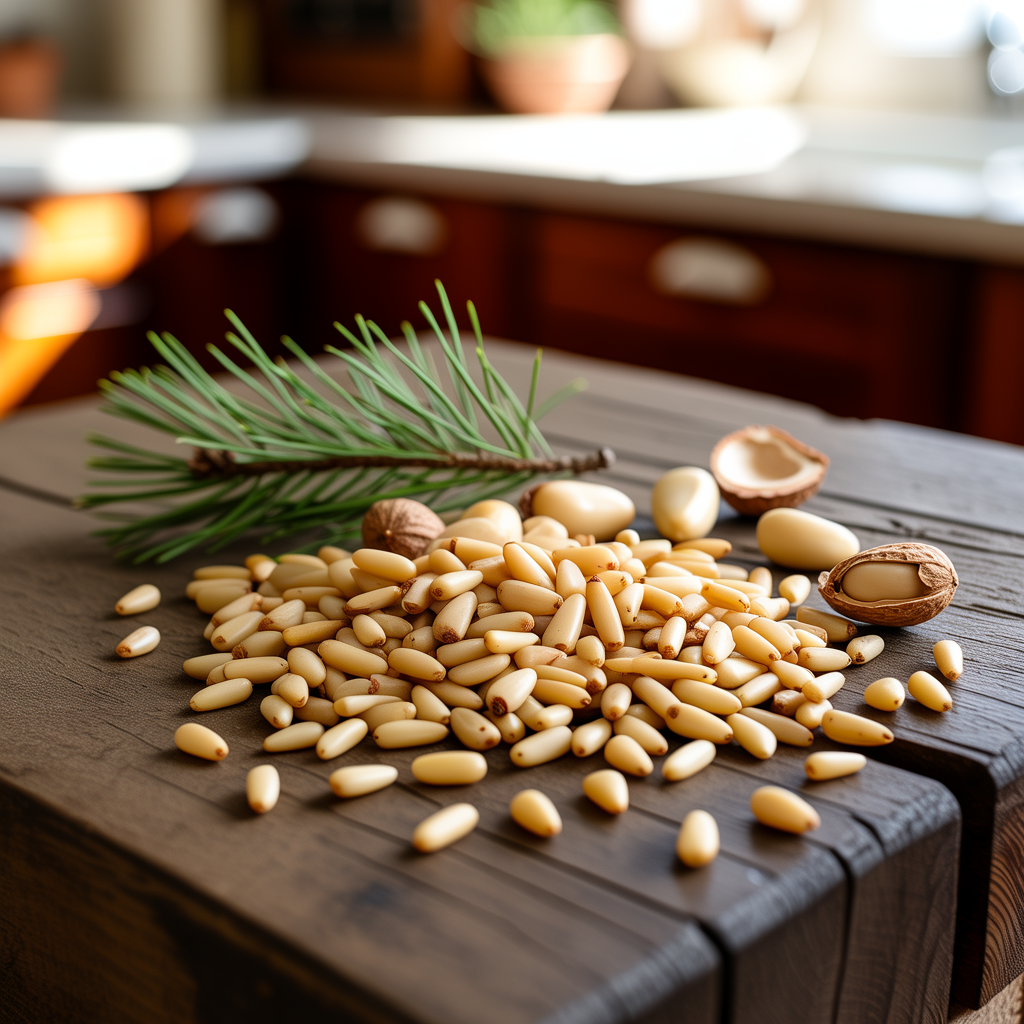
Pine Kernels and Pine Nuts: Benefits, Nutrition, Uses, Buying Guide, and Everything You Need to Know


 information4 months ago
Justin Billingsley Greene Law: Leadership, Legal Innovation, and Professional Excellence
- study4 months ago
çievri: The Complete Guide for Beginners and Professionals
- Sports4 months ago
Basketball Random.GitHub: The Ultimate Guide
- Tech4 months ago
Amber the Colour: Meaning, Symbolism, History, Psychology, and Modern Uses
- Entertainment4 months ago
Basket Random GitHub IO: The Complete Guide to Playing the Fun Physics Basketball Game
- Fashion4 months ago
Corduroy: The Complete Guide to History, Types, Uses, Benefits, Care, and Modern Fashion
- Fashion4 months ago
What Is a Chemise? Complete Guide to Styles, History, and Modern Uses
- Entertainment4 months ago
Buckner Mansion: The Complete History, Architecture, and Visitor Guide