Tech
Amber the Colour: Meaning, Symbolism, History, Psychology, and Modern Uses

Introduction
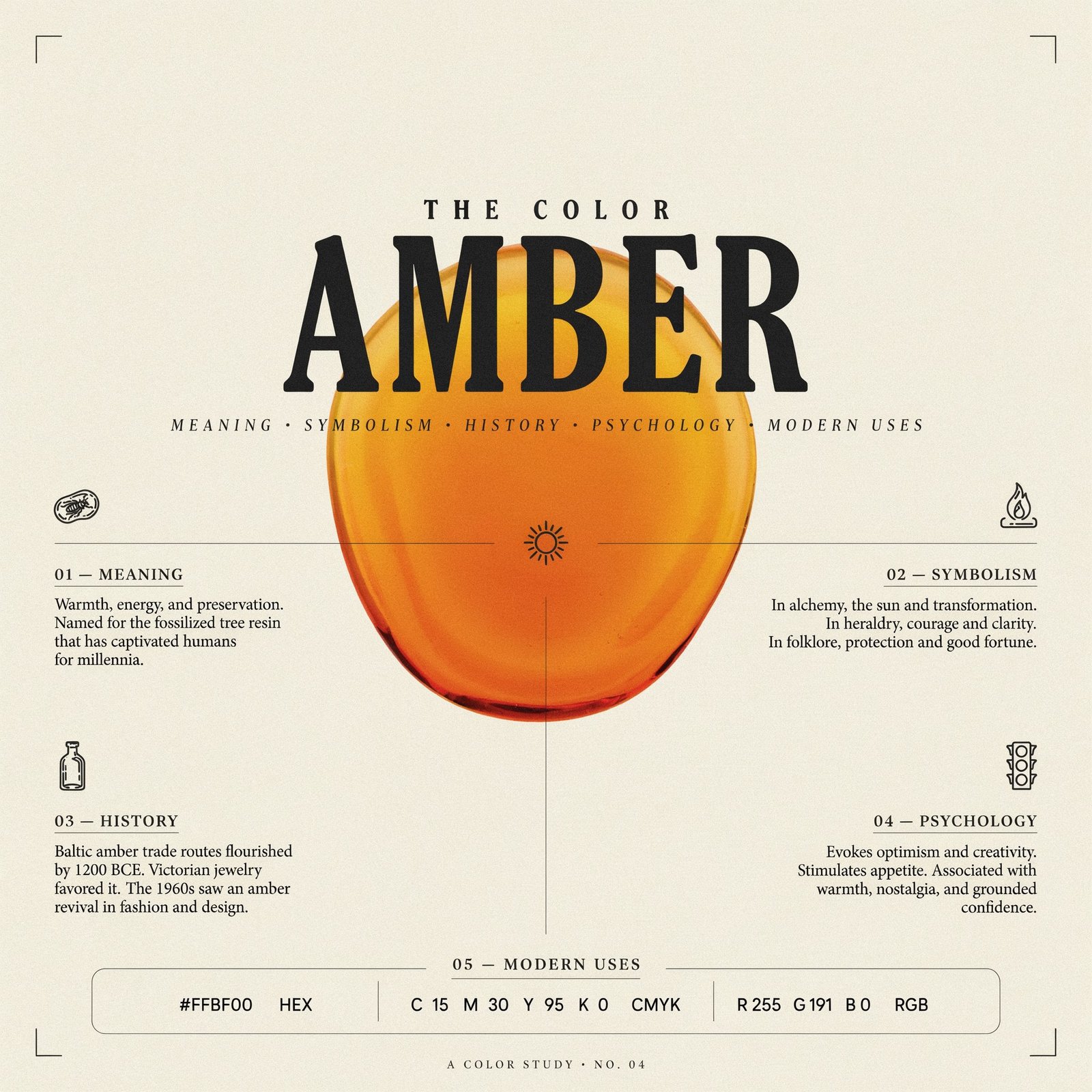
Amber the colour is one of the most captivating and timeless shades found in nature. Positioned between yellow and orange on the colour spectrum, amber radiates warmth, comfort, confidence, and natural beauty. Inspired by fossilized tree resin known as amber, this golden-orange hue has fascinated civilizations for thousands of years. Today, amber remains a popular choice in fashion, interior design, branding, photography, automotive lighting, and art because of its inviting appearance and emotional appeal.
The unique charm of amber lies in its ability to create feelings of optimism without being overly bright or overwhelming. It combines the cheerful qualities of yellow with the energetic warmth of orange, making it both vibrant and calming. Whether used in home decoration, clothing, digital design, or cultural symbolism, amber continues to represent creativity, wisdom, prosperity, and emotional balance. This comprehensive guide explores everything you need to know about amber the colour, including its meaning, history, psychology, symbolism, practical applications, and why it continues to be one of the world’s most admired colours.
What Is Amber the Colour?
Amber the colour is a rich golden-orange hue inspired by natural amber, a fossilized tree resin that has been valued for jewelry and decorative objects for millions of years. The colour typically ranges from soft honey yellow to deep burnt orange depending on the shade and lighting conditions. Unlike bright yellow or intense orange, amber offers a sophisticated balance that appears warm, luxurious, and natural.
The colour is frequently associated with sunlight during autumn evenings, glowing candlelight, honey, maple syrup, autumn leaves, and precious gemstones. Its natural richness makes it versatile across many industries, including fashion, graphic design, architecture, branding, automotive manufacturing, and home decoration.
The History of Amber the Colour
Amber has played an important role throughout human history. Ancient civilizations admired fossilized amber for its beauty, rarity, and believed protective powers. Egyptians used amber in jewelry and ceremonial objects, while Greeks and Romans traded it across Europe through the famous Amber Road.
Because amber gemstones often captured ancient insects and plant material, they became symbols of preservation, history, and the passage of time. As the gemstone gained popularity, the warm golden-orange shade itself became associated with luxury, wealth, wisdom, and natural beauty. Today, the colour continues to reflect these historical meanings while embracing modern design trends.
Amber Colour Meaning
Amber the colour carries numerous positive meanings across different cultures and traditions. It symbolizes warmth, optimism, happiness, confidence, patience, energy, creativity, abundance, and emotional stability. Unlike brighter colours that can feel overwhelming, amber creates an inviting atmosphere that feels balanced and reassuring.
Many people associate amber with the comforting glow of sunset, autumn landscapes, and cozy interiors. It often represents transformation because it bridges the gap between bright yellow optimism and energetic orange enthusiasm. This balance makes amber a colour of thoughtful action rather than impulsive excitement.
Amber Colour Psychology
Colour psychology suggests that amber has a calming yet energizing effect on the human mind. It encourages creativity while reducing feelings of anxiety or emotional heaviness. Because amber reflects warmth without excessive intensity, it helps create environments where people feel comfortable, welcomed, and motivated.
Many businesses use amber in branding because it communicates friendliness, trustworthiness, and confidence. Interior designers also incorporate amber into homes and offices to promote relaxation while maintaining a sense of energy and productivity. The psychological influence of amber makes it especially suitable for living rooms, restaurants, cafés, hotels, wellness spaces, and creative workplaces.
Different Shades of Amber
Amber is available in many beautiful variations that suit different design preferences and artistic styles. Light amber resembles golden honey and creates bright, cheerful interiors. Classic amber offers a balanced golden-orange appearance that works well in fashion and branding. Deep amber features rich orange-brown tones that evoke autumn leaves and luxury. Burnt amber appears darker and more dramatic, making it popular in traditional interior design and vintage-inspired fashion.
Each variation offers unique visual appeal while maintaining the warmth and sophistication that define amber as a colour family.
Amber in Nature
Nature provides countless examples of amber the colour. Autumn leaves display brilliant amber tones before falling from trees. Golden honey, maple syrup, dried grasses, wheat fields, sunsets, candle flames, and certain gemstones all showcase beautiful amber hues.
These natural examples explain why amber often evokes feelings of comfort, nostalgia, and appreciation for the changing seasons. The colour reminds people of harvest festivals, peaceful evenings, and the beauty of the natural world.
Amber in Fashion
Amber has become a favorite colour among fashion designers because it complements a wide variety of skin tones and pairs well with numerous other colours. Amber dresses, jackets, scarves, handbags, shoes, and accessories create elegant outfits suitable for both casual and formal occasions.
During autumn and winter, amber is especially popular because it reflects seasonal colours while adding warmth to wardrobes. It pairs beautifully with navy blue, olive green, charcoal gray, cream, white, brown, black, and burgundy, allowing designers to create sophisticated combinations that remain stylish year after year.
Amber in Interior Design
Interior designers frequently choose amber because it creates welcoming, comfortable spaces. Amber walls, furniture, lighting fixtures, decorative pillows, rugs, curtains, and artwork help transform ordinary rooms into warm and inviting environments.
The colour works exceptionally well in living rooms, dining rooms, bedrooms, restaurants, cafés, and hotel lounges. Amber lighting adds softness that enhances relaxation while maintaining visibility. Combined with natural wood, stone, leather, and neutral colours, amber creates interiors that feel timeless and luxurious.
Amber in Branding and Marketing
Many companies use amber in their branding because it communicates warmth, reliability, creativity, and optimism. Amber attracts attention without appearing aggressive, making it an excellent choice for logos, packaging, websites, advertisements, and product design.
Brands that emphasize natural products, wellness, hospitality, food, beverages, and handmade goods often incorporate amber into their visual identity because it reinforces authenticity and trust.
Best Colour Combinations with Amber
Amber combines beautifully with many complementary colours. Pairing amber with navy blue creates a sophisticated contrast suitable for modern interiors and fashion. Combining amber with white produces a fresh, clean appearance that highlights the warmth of the colour. Olive green enhances amber’s natural qualities, while charcoal gray introduces elegance and balance. Brown, beige, cream, burgundy, forest green, and black also work exceptionally well alongside amber, allowing designers to create visually appealing colour palettes for virtually any project.
Why Amber Remains Popular
Amber continues to enjoy lasting popularity because it combines timeless beauty with practical versatility. It works equally well in traditional and contemporary settings, complements countless materials and colours, and carries positive emotional associations. As design trends increasingly emphasize natural aesthetics and sustainable living, amber has become even more desirable due to its connection with nature, warmth, and authenticity.
Whether used in clothing, architecture, branding, photography, or digital media, amber consistently creates welcoming impressions that appeal to audiences across cultures and generations.
Conclusion
Amber the colour is far more than a beautiful golden-orange shade. It represents warmth, creativity, confidence, wisdom, and natural elegance while maintaining remarkable versatility across fashion, interior design, branding, and everyday life. Its historical roots, psychological benefits, and timeless appeal have made amber one of the world’s most admired colours. Whether you are decorating your home, selecting clothing, creating artwork, or building a memorable brand identity, amber offers a balanced combination of sophistication, energy, and comfort that few other colours can match. As appreciation for natural beauty continues to grow, amber remains a classic choice that never goes out of style.
Frequently Asked Questions (FAQs)
1. What is amber the colour?
Amber is a warm golden-orange colour inspired by fossilized tree resin called amber. It falls between yellow and orange on the colour spectrum.
2. What does amber the colour symbolize?
Amber symbolizes warmth, optimism, creativity, confidence, prosperity, wisdom, emotional balance, and positive energy.
3. Is amber more yellow or orange?
Amber is generally considered a balanced mixture of yellow and orange, although different shades may lean slightly toward either colour.
4. Where is amber commonly used?
Amber is widely used in fashion, home interiors, branding, graphic design, photography, automotive lighting, jewelry, and decorative art.
5. Which colours go best with amber?
Amber pairs beautifully with navy blue, white, cream, charcoal gray, olive green, brown, beige, burgundy, black, and forest green.
6. Why is amber popular in interior design?
Amber creates warm, inviting, and comfortable spaces while adding elegance and a natural feel to modern and traditional interiors.
7. Does amber have psychological benefits?
According to colour psychology, amber encourages creativity, optimism, emotional warmth, confidence, and relaxation while helping create welcoming environments.
8. Is amber considered a luxury colour?
Yes. Because of its association with precious amber gemstones, golden tones, and rich natural materials, amber is often viewed as an elegant and luxurious colour.




 information3 months ago
Justin Billingsley Greene Law: Leadership, Legal Innovation, and Professional Excellence
- study3 months ago
çievri: The Complete Guide for Beginners and Professionals
- Sports4 months ago
Basketball Random.GitHub: The Ultimate Guide
- Fashion4 months ago
Corduroy: The Complete Guide to History, Types, Uses, Benefits, Care, and Modern Fashion
- Entertainment4 months ago
Basket Random GitHub IO: The Complete Guide to Playing the Fun Physics Basketball Game
- Fashion4 months ago
What Is a Chemise? Complete Guide to Styles, History, and Modern Uses
- Entertainment4 months ago
Buckner Mansion: The Complete History, Architecture, and Visitor Guide
- Tech4 months ago
Quantity Button HTML: Complete Guide with CSS and JavaScript