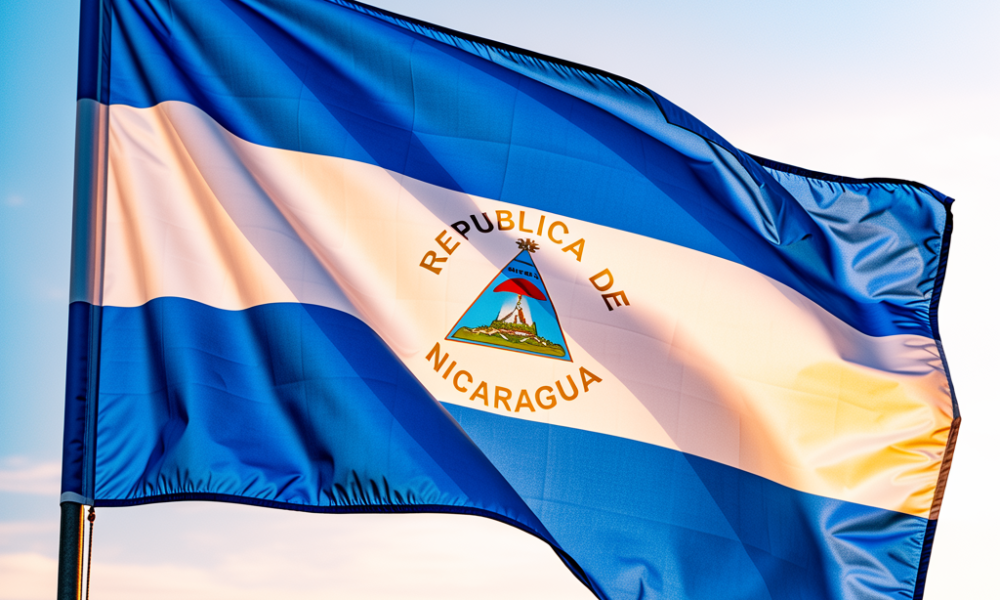
The Nicaragua flag is one of the most recognizable national symbols in Central America. More than a colorful banner, it reflects the country’s history, independence, cultural heritage, and hopes for peace and unity. Every color, emblem, and design element has a specific purpose that tells the story of Nicaragua’s journey as an independent nation.
Whether displayed during national celebrations, international sporting events, government ceremonies, or educational programs, the Nicaragua flag represents the pride and identity of millions of Nicaraguans. Understanding its meaning helps visitors, students, historians, and anyone interested in world geography appreciate why this flag remains such an important national symbol. This guide explores the history, symbolism, design, and fascinating facts about the Nicaragua flag while providing accurate and detailed information for readers.
History of the Nicaragua Flag
The history of the Nicaragua flag dates back to the country’s independence from Spanish colonial rule. After gaining independence in 1821, Nicaragua became part of the Federal Republic of Central America. During this period, the federation adopted a blue-and-white flag that inspired several modern Central American national flags.
Although the federation dissolved in the late nineteenth century, Nicaragua chose to preserve much of the original design because it symbolized regional unity and shared cultural heritage. Over time, different versions of the flag appeared until the modern design was officially adopted. The inclusion of the national coat of arms distinguished Nicaragua’s flag from those of neighboring countries while emphasizing the nation’s sovereignty. Today, the flag stands as a reminder of both Nicaragua’s historical connections with Central America and its independent identity.
Meaning of the Nicaragua Flag
The Nicaragua flag carries deep symbolic meaning. The two blue horizontal stripes represent the Pacific Ocean and the Caribbean Sea, which border the country. These waters have shaped Nicaragua’s economy, trade, culture, and history for centuries.
The white stripe in the center symbolizes peace, honesty, unity, and integrity. It reflects the aspirations of the Nicaraguan people to live in harmony while maintaining justice and equality. Together, the three horizontal stripes create a simple yet meaningful design that has become instantly recognizable throughout the world.
At the center of the flag is the national coat of arms, adding another layer of symbolism. The emblem highlights the country’s values, geographical identity, and commitment to liberty.
The Coat of Arms
The most distinctive feature of the Nicaragua flag is its coat of arms. Unlike many national flags that use only colors or simple patterns, Nicaragua includes an intricate emblem that reflects the nation’s history and ideals.
The coat of arms features a triangle representing equality. Inside the triangle are five volcanoes symbolizing the five original Central American nations. Above the volcanoes appears a rainbow representing peace and hope for the future. A red Phrygian cap symbolizes freedom and independence, while rays of sunlight represent a bright future for the nation.
Surrounding the emblem are the words “República de Nicaragua” and “América Central,” emphasizing the country’s identity and historical ties to the Central American region.
Colors of the Nicaragua Flag
The Nicaragua flag uses three primary colors, each carrying symbolic significance.
Blue represents the Pacific Ocean, the Caribbean Sea, loyalty, justice, and perseverance.
White symbolizes peace, purity, unity, honesty, and national harmony.
The colorful coat of arms introduces green, red, yellow, and additional shades that enhance the symbolism of nature, liberty, prosperity, and hope.
Together, these colors create a balanced design that communicates Nicaragua’s values while honoring its geographical location.
Interesting Facts About the Nicaragua Flag
The Nicaragua flag is famous for several unique characteristics. It is one of the few national flags featuring a rainbow in its official coat of arms. Because rainbows are uncommon in national emblems, this makes the flag particularly distinctive.
Another interesting fact is that Nicaragua shares a similar blue-and-white color pattern with several Central American countries due to their common historical roots in the former Federal Republic of Central America.
The five volcanoes in the coat of arms represent the original member states of the federation, demonstrating Nicaragua’s continuing respect for regional history and cooperation.
The flag is displayed during Independence Day celebrations, official ceremonies, schools, embassies, and international sporting competitions, serving as a powerful symbol of national pride.
Importance of the Nicaragua Flag
National flags unite people through shared history and identity. The Nicaragua flag reminds citizens of the country’s struggles for independence, democratic aspirations, and commitment to peace. It is raised at government buildings, educational institutions, military ceremonies, and diplomatic missions worldwide.
For travelers, the flag offers insight into Nicaragua’s culture and traditions. For students, it provides an opportunity to learn about geography, history, and symbolism. For citizens, it represents patriotism and national unity.
As Nicaragua continues to develop and engage with the international community, its flag remains an enduring symbol of resilience, heritage, and hope for future generations.
Why the Nicaragua Flag Stands Out
Among the flags of the world, Nicaragua’s design is notable for its combination of simplicity and intricate symbolism. The blue-and-white stripes create a clean and elegant appearance, while the detailed coat of arms adds historical depth and national significance.
The presence of the rainbow, volcanoes, liberty cap, and triangle makes the flag one of the most symbolic national flags in the Americas. Each element tells part of the country’s story, allowing the flag to serve as both a national emblem and a visual lesson in Nicaraguan history.
Conclusion
The Nicaragua flag is far more than a national emblem. It represents the country’s independence, geographic identity, cultural heritage, and aspirations for peace and prosperity. Its blue and white stripes symbolize the surrounding seas and the nation’s commitment to unity, while the detailed coat of arms reflects freedom, equality, hope, and historical connections to Central America.
Learning about the Nicaragua flag provides valuable insight into the nation’s past and present. Whether you are researching world flags, studying geography, or simply exploring Nicaragua’s rich culture, understanding the symbolism behind this iconic flag offers a deeper appreciation of one of Central America’s most meaningful national symbols.
Frequently Asked Questions (FAQ)
What do the blue stripes on the Nicaragua flag represent?
The blue stripes symbolize the Pacific Ocean and the Caribbean Sea, which border Nicaragua.
What does the white stripe mean?
The white stripe represents peace, honesty, unity, and purity.
Why are there five volcanoes on the Nicaragua flag?
The five volcanoes represent the five original member states of the former Federal Republic of Central America.
Why is there a rainbow on the Nicaragua flag?
The rainbow symbolizes peace, hope, and a brighter future for the nation.
When was the modern Nicaragua flag adopted?
The current design was officially adopted in the 20th century and continues to serve as the country’s official national flag.
What makes the Nicaragua flag unique?
Its detailed coat of arms, including a rainbow, five volcanoes, a liberty cap, and a triangle, makes it one of the world’s most distinctive national flags.
Is the Nicaragua flag similar to other Central American flags?
Yes. Its blue-and-white design reflects the shared heritage of the former Federal Republic of Central America, which influenced the flags of several neighboring countries.